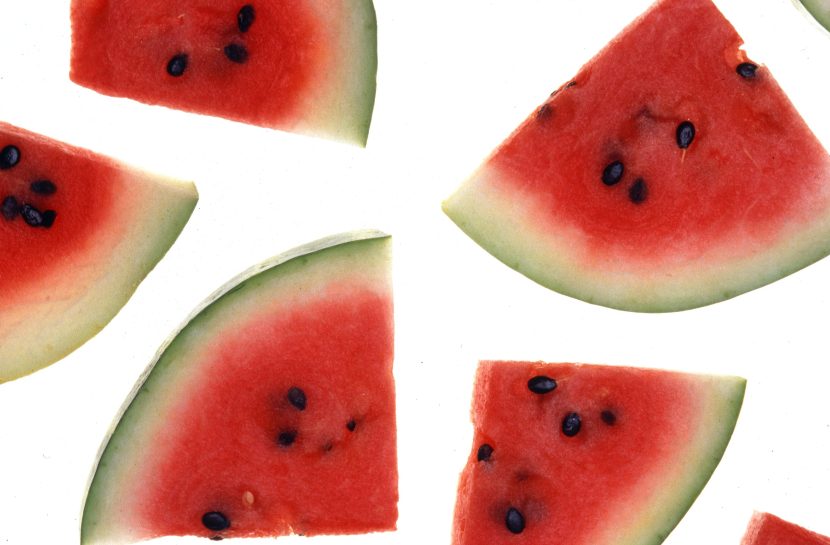
Jose Mier here, reporting from Sun Valley, California, where I believe dessert should do two things: taste wonderful and make the afternoon heat feel less like it has personally challenged me to a duel. Today’s discovery is watermelon granita, a brilliantly simple frozen dessert that turns ripe summer melon into sparkling pink flakes of icy goodness. It requires no ice cream machine, no pastry degree, and—most importantly—no negotiation with a temperamental appliance.
What Exactly Is Watermelon Granita?
Granita is a traditional Italian frozen treat, especially associated with Sicily. Unlike smooth sorbet or creamy ice cream, granita is intentionally crystalline. As the fruit mixture freezes, you scrape it with a fork to create delicate ice flakes. The result is somewhere between shaved ice and a fruit sorbet, with a texture that feels light, refreshing, and wonderfully old-fashioned.
In Sicily, granita is often enjoyed in the morning with a brioche, but it also makes a lovely finish to lunch or dinner. The flavors vary by region and season: lemon, almond, coffee, and other fruits all have their fans. Watermelon is a natural fit because it brings plenty of juice, a vivid color, and that unmistakable summer sweetness.
The Recipe I Found Online
For this version, I’m pointing readers to the Watermelon Granita recipe from Food Network. It uses just watermelon, sugar, and lemon juice. The method is straightforward: purée the ingredients, pour the mixture into a shallow pan, freeze it, and rake it with a fork at intervals until it becomes fluffy ice crystals. Please visit the linked recipe for its original ingredient quantities and complete directions.
My kitchen note: start with a ripe, flavorful melon and taste the purée before freezing. If the fruit is exceptionally sweet, you may not need quite as much sugar; if it tastes a little sleepy, lemon juice can wake it up. Remember that cold dulls sweetness, so the unfrozen mixture should taste pleasantly bold.
My Practical Granita Method
First, remove the rind and any seeds, then cut the watermelon into chunks. Blend the fruit with lemon juice and sugar until smooth. If you prefer a more delicate texture, strain the purée to remove any fibrous bits. Pour it into a shallow metal baking pan, which helps the mixture freeze more evenly than a deep container.
After the mixture has spent some time in the freezer and the edges begin to set, scrape it thoroughly with a fork. Break up the frozen rim and pull the icy bits toward the center. Return the pan to the freezer and repeat the scraping periodically as the mixture firms up. Eventually, the liquid becomes a pan of loose, ruby-pink crystals. It’s a low-tech process, and I rather enjoy that. Sometimes the best kitchen gadget is a fork and a little patience.
Don’t leave the granita untouched for hours and expect perfect flakes. A solid frozen block can be rescued, but it takes more elbow grease—and I already get enough exercise chasing a runaway rolling pin.
Flavor Variations Worth Trying
Watermelon and mint: Add a few fresh mint leaves to the blender, or use them as a garnish. Mint gives the dessert a cool, garden-fresh aroma.
Lime instead of lemon: Lime brings a slightly tropical edge and pairs beautifully with watermelon. Add the juice gradually so the citrus brightens rather than overwhelms the fruit.
Watermelon-basil: A small amount of basil creates a fragrant, savory note. It sounds adventurous, but fruit and herbs have been getting along for centuries.
A little heat: For grown-up palates, a tiny pinch of cayenne or chile powder can contrast with the sweetness. Start very small; the goal is a pleasant tingle, not a dessert that fights back.
Layered presentation: Serve the granita in chilled glasses with tiny cubes of fresh watermelon, a curl of citrus zest, or a mint sprig. The contrast between fresh fruit and frozen crystals makes a simple dessert look dinner-party ready.
Why This Dessert Works So Well
Granita is naturally dairy-free when made with fruit, sugar, and citrus, so it can suit a range of menus without requiring cream or eggs. It’s also useful when a watermelon turns out to be larger than your household can reasonably eat before it starts taking over the refrigerator. Freeze the purée and you’ve transformed surplus fruit into a dessert worth anticipating.
Because granita is mostly water from the fruit, the texture depends on how you freeze it and how often you scrape it. A shallow pan gives you more surface area, while regular scraping prevents the mixture from setting into one solid slab. Serve it as soon as you’ve loosened the crystals; if it sits too long on the counter, it will begin to melt into a delicious pink puddle. Still delicious, but less photogenic.
A Sweet Finish from Sun Valley
What I like most about watermelon granita is that it doesn’t try to be complicated. It takes a few everyday ingredients and a little freezer time and turns them into something refreshing. On a warm Southern California afternoon, that’s exactly the kind of kitchen magic I appreciate. Make a batch ahead, scrape it just before serving, and let everyone enjoy a bowl of summer. If you try a variation, tell me how it turned out—my freezer is always ready for another experiment.
Recipe source: Food Network — Watermelon Granita
Watch a Watermelon Granita Recipe
This video demonstrates the same simple frozen-dessert technique.