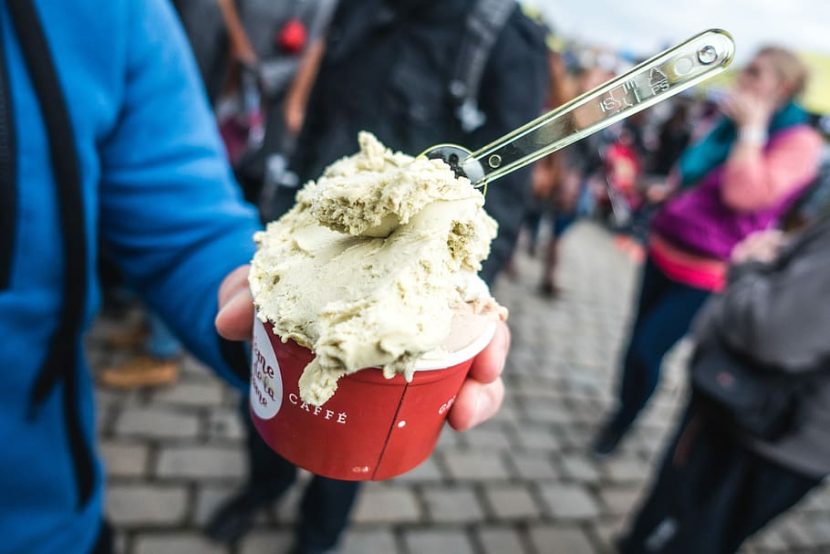
Jose Mier here, reporting from Sun Valley, California, where the weather can make a frozen dessert feel less like a luxury and more like a very reasonable survival strategy. Today I’m chasing one of my favorite Italian-inspired treats: pistachio gelato. It’s creamy, nutty, elegant, and just green enough to make people wonder whether I’ve accidentally scooped up a lawn. Spoiler: real pistachio gelato is usually a gentle, natural shade—not neon.

Pistachio Gelato: A Little Taste of Italy
Gelato is Italy’s answer to the question, “Could dessert be even more delicious if we gave it a little extra attention?” Compared with typical American ice cream, gelato is generally churned with less air and often relies on a higher proportion of milk than cream. The result is a dense, smooth texture that lets the flavor speak clearly. Served a little warmer than hard-frozen ice cream, gelato also releases its aromas more readily.
Pistachio has become a beloved gelateria staple, especially when made with real nuts rather than flavoring. Its appeal is subtle: toasted, buttery, slightly sweet, and unmistakably nutty. Sicily is particularly associated with pistachios, including those grown around Bronte on the slopes of Mount Etna. Those prized nuts are known for their distinctive flavor, though good-quality pistachios from elsewhere can also make a terrific batch.
The Recipe I’m Exploring
For this article, I’m using the detailed Pistachio Gelato recipe from Food Nouveau, which builds flavor from homemade pistachio paste and a Sicilian-style gelato base. The method is a reminder that the best frozen desserts are not necessarily complicated; the quality of the ingredients and a little patience do most of the heavy lifting.
The recipe calls for raw, shelled, unsalted pistachios and sugar for the paste, along with a prepared gelato base. The pistachios are briefly blanched, cooled, and—if you’re feeling dedicated—peeled. They’re then ground with sugar and blended with some of the cold base until smooth. The paste gets whisked into the remaining base, and the mixture is churned in an ice cream maker before being firmed in the freezer. Follow the linked recipe for its full ingredient quantities and precise base instructions.
Why Homemade Pistachio Paste Makes a Difference
Pistachio paste is the heart of the flavor. Making it from whole nuts gives the cook control over freshness and intensity. A food processor or high-speed blender works; scrape down the sides now and then so the nuts don’t just cling to the equipment like guests who refuse to leave after dinner. A few tiny nut particles are perfectly fine, but a smoother paste generally means a silkier gelato.
Blanching helps loosen the thin skins. Removing them can brighten the color and reduce a slightly earthy edge, although it’s a bit of a fiddly job. I consider it a useful culinary meditation: breathe, peel a pistachio, and try not to eat the entire bowl before it reaches the blender.
Texture Is the Secret Ingredient
One of the most important steps is chilling the base thoroughly before churning. An overnight rest in the refrigerator gives the mixture time to become very cold and allows the pistachio flavor to settle in. A cold base also churns more efficiently, helping avoid a grainy, icy result. Make sure your ice cream maker’s bowl is fully frozen if your machine requires one.
Churn until the gelato reaches a soft-serve consistency, then transfer it to an airtight container and freeze until firm enough to scoop. Homemade gelato is best enjoyed fresh, ideally within about two weeks, since home freezers can gradually encourage ice crystals to form. Before serving, let it sit at room temperature briefly so the scoop glides rather than requiring a construction permit.
Natural Color, Real Flavor
Authentic pistachio gelato often looks pale green, beige-green, or even a little khaki. That’s normal. A bright artificial green is not a reliable sign of quality; it may simply mean coloring has been added. The flavor should be the star: gentle, rich, and nut-forward. If the base tastes weak, the pistachios themselves may be bland. A tiny amount of pistachio extract can be considered, but a heavy hand can make the result taste less like a nut and more like a perfume counter.
Variations Worth Trying
Once the basic version is mastered, pistachio gelato invites experimentation. A handful of chopped pistachios folded in at the end adds a pleasant crunch. Dark chocolate shavings or a thin chocolate drizzle create a classic pairing. A pinch of sea salt can sharpen the nutty notes, while a little orange zest offers a bright Mediterranean twist.
For a Sicilian-inspired presentation, serve a scoop inside a soft brioche bun. It sounds unusual if your dessert experience has been limited to bowls and cones, but the tender bread and cold, creamy gelato make a memorable combination. At home in Sun Valley, I might serve it in a chilled bowl with chopped nuts and a small espresso. That’s not just dessert; that’s an afternoon appointment I intend to keep.
A Frozen Dessert Worth the Effort
Pistachio gelato rewards a cook who pays attention. Choose fresh nuts, take time to blend the paste, chill the base properly, and don’t rush the final freeze. The result is a dessert with old-world character and a flavor that feels luxurious without shouting. As a chef and frozen-dessert enthusiast, I love recipes that turn a few carefully chosen ingredients into something special. And if the first batch disappears before you can photograph it, well, that’s simply quality control.
Watch: Making Pistachio Gelato
Here’s a video walkthrough on making pistachio gelato with real pistachios:
Video: Bigger Bolder Baking with Gemma Stafford, “Easy Pistachio Gelato Recipe of Your Dreams.”