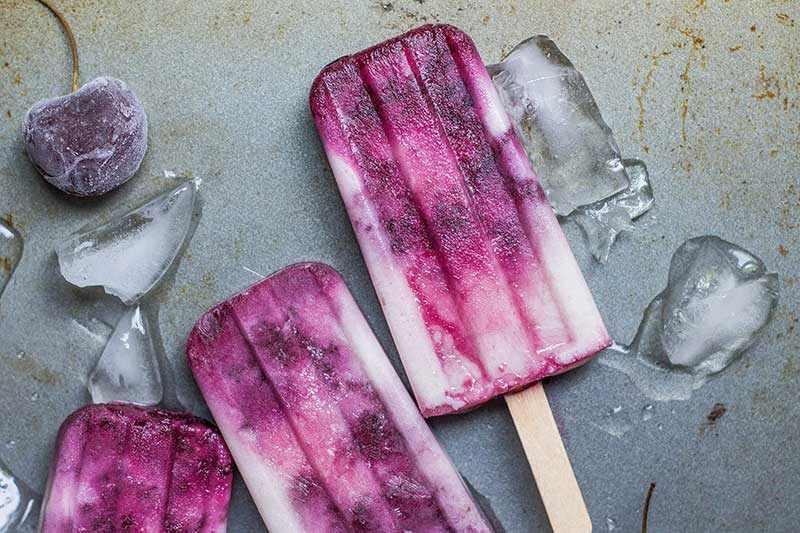
Jose Mier here in Sun Valley, California, and I have a confession: I believe almost any beverage can become a dessert if you give it a popsicle stick and enough freezer space. Today I’m turning my attention to Thai iced tea popsicles—creamy, fragrant, sunset-orange treats inspired by the sweet tea served at Thai restaurants. They’re a fun way to bring a familiar drink into the frozen-dessert department, where my freezer and I spend an unreasonable amount of time together.
What Makes Thai Iced Tea Popsicles Special?
Thai iced tea is known for its bold black-tea flavor, sweetness, creamy finish, and warm aromatic notes. Depending on the tea blend, you may notice hints of vanilla, star anise, or other spices. The drink is often served over ice with milk or another creamy addition. Freeze those flavors into a pop and you get a dessert that is refreshing but richer than a fruit ice.
The appeal is contrast: robust tea against mellow dairy, sweetness against a little bitterness, and a smooth texture that slowly softens as you eat. The vivid orange color often associated with Thai tea mix makes the pops look festive, too. They are ideal after a spicy meal, at a summer gathering, or whenever an ordinary ice pop feels like it needs a passport.
The Recipe I’m Using for Inspiration
For this version, I’m taking inspiration from the Thai Iced Tea Popsicles recipe by Jerry James Stone. It uses brewed Thai tea, sugar, sweetened condensed milk, vanilla, and a little cream to create a frozen treat with the character of Thai iced tea. The recipe also describes adding a pale cream layer partway through freezing for a two-tone look.
Use the linked recipe for its full ingredient quantities and method. In broad strokes, the process is simple: steep the tea in hot water, strain it carefully, stir in the sweetener and creamy ingredients, then pour the cooled mixture into popsicle molds. Freeze until firm. If you want the layered effect, add the cream component at the stage specified in the original instructions. It takes a little timing, but so does getting a fitted sheet back into its original shape.
My Kitchen Notes for Better Pops
Brew it strong. Cold temperatures can mute flavor, so make the tea bold enough to stand up to the milk and sugar. Follow the tea package directions, and strain thoroughly if you’re using loose leaves or a loose tea blend.
Cool before pouring. Let the tea mixture cool before filling the molds. Warm liquid can take longer to freeze and may create extra condensation in the freezer. Patience is a culinary ingredient, even if it’s the one I most often try to skip.
Leave a little room. Liquids expand as they freeze, so avoid filling molds right to the brim. Follow the mold maker’s directions for inserting sticks; depending on the mold, you may need to wait until the mixture is partly frozen.
Release gently. If a pop refuses to come out, briefly run the outside of the mold under warm water. Don’t yank the stick as if you’re starting a lawn mower. A little warmth usually does the job.
Variations Worth Trying
Once you’ve made the basic version, there are several ways to personalize it. For a coconut variation, replace some of the dairy with coconut milk for a slightly tropical flavor. For a spiced version, steep the tea with a small piece of cinnamon or a star anise pod, then strain it out before mixing. Keep the spices subtle so they complement the tea rather than take over the entire dessert.
You can also make a less-sweet batch by reducing the sugar slightly, though sweetness affects the texture of frozen desserts, so expect the pops to freeze firmer. If you prefer a more pronounced creamy flavor, adjust the dairy balance while keeping the total liquid reasonably close to the original recipe. For a pretty presentation, use a two-layer design or pour the mixture in alternating stages, allowing each layer to set partially before adding the next.
For anyone avoiding dairy, a coconut-based version may work well, but it will taste different from the classic creamy style. Check the ingredients in your Thai tea mix, too: some commercial blends contain added coloring or flavorings. A plain black tea with warming spices can make a pleasant alternative, though the color and flavor won’t be identical.
A Little Frozen Dessert History
Ice pops are wonderfully democratic desserts. They don’t require an ice cream machine, specialized pastry skills, or a freezer full of expensive ingredients. Across the world, people freeze fruit juices, sweetened drinks, milks, and teas into portable treats. Thai iced tea popsicles fit naturally into that tradition: they take a popular drink and give it a new texture and a longer life in the freezer.
They also show how a flavor can travel between categories. A tea that’s usually sipped through a straw becomes something you eat slowly, one chilly bite at a time. That’s part of the fun of experimenting with frozen desserts: the ingredients may be familiar, but a change in temperature and texture makes them feel new.
Serving and Storing
Serve these pops straight from the freezer, ideally after loosening them gently from their molds. They’re rich enough to stand on their own, but they can also be served alongside fresh fruit or after a meal with bright, spicy flavors. Store any extras in a sealed freezer-safe container or wrap them individually to help prevent freezer odors and icy surfaces from stealing the show.
As always, keep the pops frozen until serving and don’t refreeze ones that have melted substantially. If you’re making them for guests, prepare them the day before so you’re not hovering in front of the freezer every ten minutes asking whether dessert is ready yet. I have tried this method. The freezer does not answer.
Watch a Thai Iced Tea Popsicle Recipe
This video from Jerry James Stone demonstrates the same Thai iced tea popsicle idea and is a useful visual companion to the written recipe.
For me, Thai iced tea popsicles are a reminder that a good frozen dessert doesn’t have to be complicated. Start with a drink you love, balance its flavors, freeze it thoughtfully, and you’ll have something playful and refreshing ready to go. I’ll be in Sun Valley testing another idea—strictly for research, of course, and definitely not because I heard the freezer calling my name.