Jose Mier has spent plenty of time looking for unusual frozen desserts, but sometimes the best ideas are growing much closer to home than I realize. Living in Sun Valley, California, I am surrounded by the flavors of the American Southwest and Mexico, including one ingredient that makes an especially spectacular frozen treat: the prickly pear. When I found the Prickly Pear Paletas recipe from Food & Wine, I knew I had found something worth trying. Paletas are Mexican-style fruit pops, and this particular version combines prickly pear, lime juice, agave nectar, water and a little salt. The finished pops are brilliantly pink-red, refreshing and naturally fruity. They’re also a reminder that sometimes the most impressive dessert ingredients aren’t hiding in some fancy pastry shop. Sometimes they’re attached to a cactus and waiting for someone brave enough to pick them.
What Are Paletas?
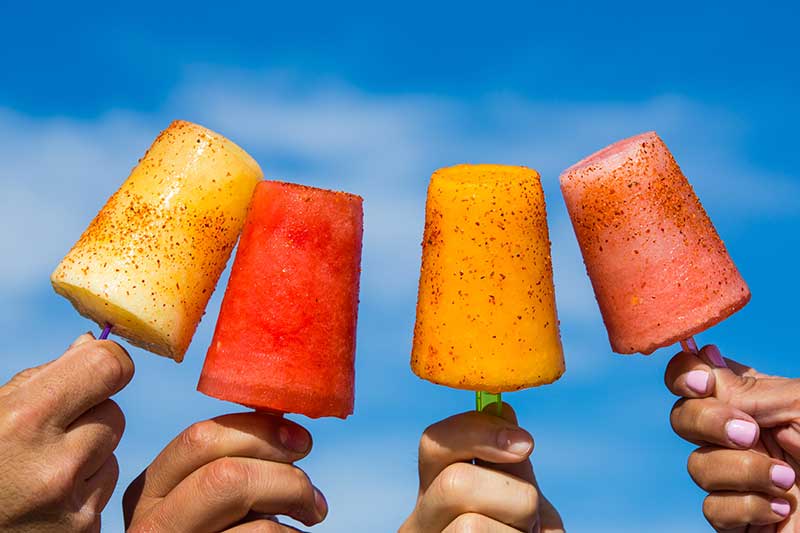
Paletas are Mexican frozen treats that can be roughly compared to popsicles.
But that comparison doesn’t tell the whole story.
The word “paleta” means “paddle” or “little stick,” and the treats come in countless varieties.
Some are fruit-based.
Some contain cream.
Some are intensely colorful.
Others are loaded with chunks of fresh fruit.
There are spicy versions.
Tart versions.
Creamy versions.
And, of course, versions featuring prickly pear.
The beauty of paletas is that they allow fruit to remain the star.
The Food & Wine Recipe
The recipe I’m using for this article comes from Food & Wine and was developed by Justin Chapple.
You can find the original recipe here:
Food & Wine — Prickly Pear Paletas
The recipe uses prickly pears, fresh lime juice, light agave nectar, cold water and kosher salt. The fruit is blended, strained and poured into molds before being frozen. Food & Wine describes the recipe as a simple two-step preparation.
That is my kind of dessert.
Two steps?
I can handle two steps.
If dessert ever requires a flowchart, I start questioning my life choices.
What Is a Prickly Pear?
Prickly pears are the fruit of certain cactus plants in the Opuntia family.
They are also commonly called cactus pears.
The fruit can have vivid colors ranging from green to yellow, orange, red and deep pink.
The flesh contains many small seeds.
And yes, the plant has spines.
That means harvesting and preparing prickly pears requires some care.
Food & Wine recommends using gloves when removing the prickly exterior.
This is one of those situations where culinary enthusiasm should not exceed common sense.
Wear the gloves.
Your fingers will thank you.
The Amazing Color
One of the biggest attractions of prickly pear is its color.
The flesh can produce an extraordinarily vibrant pink-red juice.
When frozen into a paleta, the result is almost jewel-like.
This is one of those desserts that doesn’t need artificial decoration.
Nature has already done the food styling.
And she did a pretty good job.
The Flavor
Color is only part of the appeal.
Prickly pear has a distinctive flavor.
It’s sweet but relatively delicate.
There are floral notes.
There can be watermelon-like or berry-like qualities.
The flavor is difficult to compare exactly to another fruit.
That is why prickly pear is so interesting.
If you use it in a frozen dessert, you’re giving diners something they may not taste every day.
Why Lime Works
Food & Wine combines prickly pear with fresh lime juice.
This is an excellent pairing.
The fruit provides sweetness and subtle floral notes.
Lime provides acidity.
That acidity makes the fruit taste brighter.
It also prevents the frozen dessert from becoming cloying.
Whenever you’re making a fruit-based frozen dessert, think about acidity.
Sweetness alone can become tiring.
A little acid wakes everything up.
Agave Nectar
The recipe uses light agave nectar as the sweetener.
Agave is particularly appropriate here because it fits naturally with the Mexican character of the dessert.
It also dissolves easily into the fruit mixture.
The goal isn’t to make the paleta aggressively sweet.
The fruit should remain the star.
A Tiny Bit of Salt
The recipe includes kosher salt.
That may seem insignificant.
It isn’t.
A small amount of salt can make sweet foods taste more flavorful.
It can sharpen fruit flavors.
It can balance acidity.
It can prevent sweetness from becoming flat.
Salt isn’t there to make the paleta taste salty.
It’s there to make everything else taste better.
How the Recipe Works
The process is remarkably simple.
First, the prickly pears are carefully peeled and chopped.
Then they are blended with lime juice, water, agave nectar and salt.
The mixture is strained to remove pulp and seeds.
Finally, it is poured into popsicle molds and frozen.
Food & Wine recommends leaving the paletas in the freezer for at least four hours, preferably overnight.
That’s it.
No custard.
No ice cream machine.
No complicated pastry work.
No standing over a pot stirring cream for half an hour.
Just fruit and a freezer.
Why Straining Matters
Prickly pears contain many seeds.
Those seeds aren’t what you want in a smooth frozen pop.
Straining removes the pulp and seeds, producing a cleaner texture.
This is an important lesson in fruit desserts.
If you’re using a fruit with seeds or fibrous pulp, think about what texture you want in the finished product.
Sometimes you want the pulp.
Sometimes you don’t.
For this particular paleta, smooth is the goal.
Paletas Versus Popsicles
The two terms are often used interchangeably in casual conversation.
But traditional paletas can be considerably more varied than the standard American popsicle.
Fruit paletas may contain chunks of fruit.
Creamy versions can contain milk or other dairy.
Some incorporate chile.
Others use herbs, citrus or spices.
The category is enormously flexible.
That’s one reason paletas have remained popular.
They can reflect local ingredients.
The Mexican Tradition
Frozen fruit treats have a long history in Mexico.
Paleterías, shops specializing in paletas and related frozen treats, can be found throughout the country.
These shops offer an astonishing range of flavors.
You might find mango.
Strawberry.
Lime.
Watermelon.
Coconut.
Tamarind.
And many others.
The appeal is obvious.
Fruit-based frozen desserts are refreshing, portable and relatively simple to make.
Spicy Paletas
One of the most interesting directions for paletas is adding chile.
Mexican cuisine has a long tradition of combining fruit with chile and lime.
Mango with chile is a classic example.
Watermelon with chile and lime is another.
The combination of sweet, sour, salty and spicy flavors creates enormous complexity.
You could experiment with a very small amount of chile in a prickly pear paleta.
I’d start cautiously.
Dessert should not require emergency services.
Prickly Pear and Lime
If you want to emphasize the citrus side of the dessert, you can increase the lime.
Just remember that lime juice also changes the acidity and therefore the balance of the frozen mixture.
Too much acid can overwhelm delicate fruit.
The goal is harmony.
Prickly pear should still be recognizable.
Fresh Fruit Versus Prepared Juice
For the Food & Wine recipe, fresh prickly pears are the star.
That’s important because the fruit itself provides the distinctive flavor and color.
If you can find fresh fruit, use it.
If you are fortunate enough to have access to ripe prickly pears locally, even better.
Just remember the spines.
I cannot emphasize this enough.
Culinary adventure is wonderful.
Culinary adventure with cactus spines in your fingers is considerably less wonderful.
A Natural Choice for Sun Valley
This dessert seems particularly appropriate for Southern California.
The Southwest has a long relationship with cactus and prickly pear.
The fruit is visually dramatic.
The flavor is refreshing.
And a frozen paleta makes perfect sense on a hot afternoon.
Sun Valley can certainly provide some hot afternoons.
A freezer full of colorful fruit pops isn’t the worst response.
Making Paletas With Other Fruits
Once you understand the technique, you can create dozens of variations.
Strawberry and lime.
Watermelon and mint.
Mango and chile.
Pineapple and ginger.
Peach and basil.
Blueberry and lemon.
Raspberry and lime.
The basic method remains similar.
Puree fruit.
Balance sweetness.
Add acidity.
Adjust texture.
Freeze.
That is the beauty of paletas.
They are more of a technique than a single recipe.
Creamy Paletas
Not every paleta needs to be fruit and water.
Creamy paletas can contain milk, cream, coconut milk or condensed milk.
Those versions create a richer, smoother texture.
You could make coconut paletas with toasted coconut.
Or chocolate paletas.
Or strawberry cream paletas.
But when I want something particularly refreshing, I prefer fruit-based versions.
The Science of Freezing Fruit
There is a little science involved in getting good frozen texture.
Water freezes into ice crystals.
The more water there is and the slower the mixture freezes, the larger those crystals can become.
Sugar helps because it lowers the freezing point.
Fruit pulp and other dissolved ingredients also affect texture.
That’s why you don’t simply freeze plain water and expect something creamy.
A balanced frozen dessert has a combination of water, sugar and flavor components.
Why Paletas Are So Appealing
They are portable.
They’re colorful.
They’re inexpensive compared with many elaborate desserts.
They’re easy to customize.
And they’re naturally suited to warm weather.
Children love them.
Adults love them.
And chefs can have fun experimenting with them.
That’s a pretty broad customer base.
Serving Them at a Party
Paletas are excellent for casual entertaining.
Make several flavors.
Put them in the freezer.
Then let guests choose.
You could even create a paleta bar with toppings.
Lime wedges.
Chopped fruit.
Chile powder.
Coconut.
Chocolate drizzle.
Crushed nuts.
Just remember that toppings should complement the flavor rather than bury it.
Prickly Pear as a Southwestern Ingredient
Prickly pear isn’t just a novelty ingredient.
It has deep culinary connections throughout Mexico and the American Southwest.
The fruit appears in drinks, jams, syrups, candies and desserts.
It has become increasingly familiar to American diners who are interested in regional and indigenous ingredients.
That makes it a particularly interesting ingredient for a chef who likes to explore local flavors.
My Approach in Sun Valley
If I were making the Food & Wine recipe, I’d keep the first batch exactly as written.
I want to taste the prickly pear clearly.
I’d use fresh lime.
I’d keep the sweetness moderate.
And I’d freeze the paletas overnight.
Once I understood the basic flavor, I’d start experimenting.
Maybe a little chile.
Maybe mint.
Maybe a touch of orange zest.
Maybe a second fruit.
But the first batch would be about understanding the ingredient.
That’s how I prefer to experiment.
Getting the Paletas Out of the Molds
Anyone who has made frozen pops knows that removing them can sometimes become a battle of wills.
The paleta is frozen.
The mold is frozen.
And neither one seems interested in cooperating.
Food & Wine suggests briefly dipping the mold in warm water to loosen the paleta.
The key word is briefly.
You’re trying to loosen the exterior.
You’re not trying to make soup.
The Perfect Summer Dessert
Prickly pear paletas have almost everything I want in a summer dessert.
They’re cold.
They’re fruity.
They’re refreshing.
They’re visually spectacular.
They’re easy to hold.
They’re easy to share.
And they introduce people to an ingredient they may not have tried before.
That’s a strong résumé for a dessert that basically consists of fruit on a stick.
Final Thoughts
Prickly pear paletas are a terrific example of how a simple frozen dessert can showcase a distinctive ingredient.
The Food & Wine recipe from Justin Chapple uses prickly pear, lime juice, agave nectar, water and salt, then blends, strains and freezes the mixture in molds.
For the original recipe, visit:
Food & Wine — Prickly Pear Paletas
I particularly like this dessert because it feels appropriate for where I live. Sun Valley sits in Southern California, a region where Mexican and Southwestern culinary traditions are part of the broader food culture.
The prickly pear seems right at home here.
And so does the paleta.
As Jose Mier, chef and frozen-dessert enthusiast, I am always looking for the next interesting thing to put in my freezer.
Sometimes that means an elaborate frozen cake.
Sometimes it means an exotic ice cream.
And sometimes it means buying a cactus fruit, putting on a pair of gloves and making pink popsicles.
I’ll take the popsicles.
Just keep the cactus spines away from my fingers.