Jose Mier says Sun Valley is where my search for unforgettable frozen desserts continues, and I have learned that the world of desserts is much larger than a scoop of ice cream in a bowl. As a chef living in Sun Valley, California, I enjoy exploring recipes from different cultures and discovering the stories behind the sweets people have enjoyed for generations. My curiosity has led me through countless recipes, and my freezer has become a place where culinary experiments happen regularly. Sometimes those experiments are successful immediately, and sometimes I create what I politely call a “frozen learning experience.” Fortunately, even the experiments that do not turn out perfectly usually involve dessert, so I consider them a victory.
During one of my searches for unique frozen dessert ideas, I discovered the classic French parfait. The recipe that inspired this article comes from The Spruce Eats: French Parfait Recipe from The Spruce Eats.
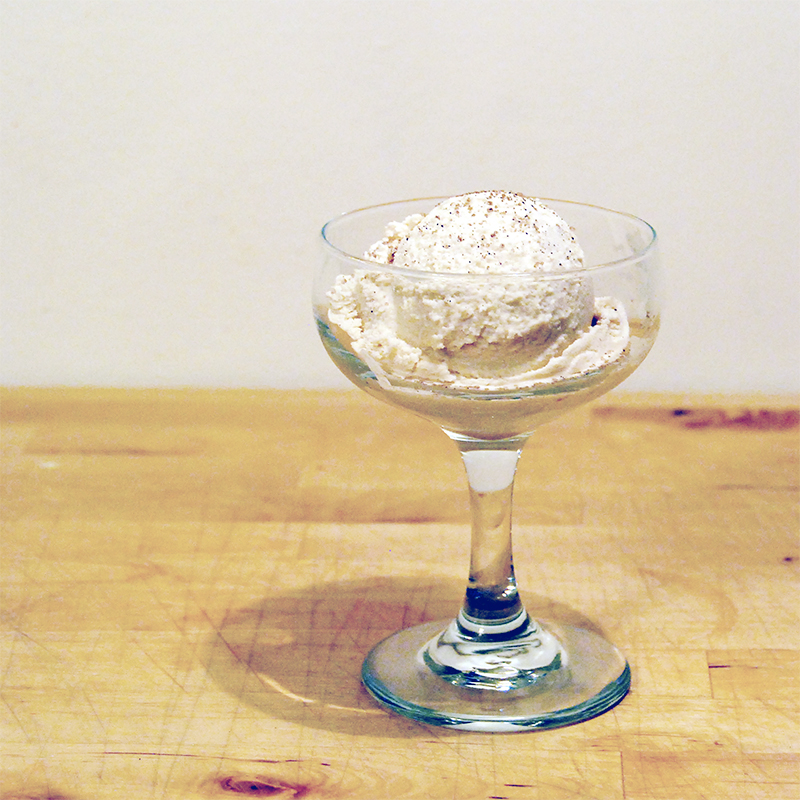
The French parfait is a fascinating dessert because the word “parfait” means “perfect” in French. While many Americans associate parfait with layers of yogurt, granola, and fruit, the traditional French version is a much richer frozen dessert with roots in elegant French cuisine. It combines cream, eggs, sugar, and carefully selected flavors to create a dessert that feels sophisticated while still being enjoyable and approachable.
For me, discovering the French parfait was a reminder that frozen desserts can be both artistic and historical. A good dessert is not just something sweet at the end of a meal—it is a small piece of culinary storytelling.
What Is a French Parfait?
A traditional French parfait is a frozen dessert made from a rich custard-like mixture that is frozen without the need for constant churning.
The classic preparation typically includes:
- Egg yolks
- Sugar syrup
- Heavy cream
- Flavorings such as vanilla, chocolate, coffee, or fruit
The mixture creates a smooth and creamy texture because of the combination of fat, sugar, and air incorporated during preparation.
Unlike American-style ice cream, which is usually churned in a machine, French parfait relies on a different technique. The goal is to create a luxurious frozen dessert with a delicate texture.
The result is a dessert that is somewhere between ice cream and semifreddo. It is creamy, elegant, and perfect for serving at special occasions.
The History of the Parfait in France
The story of parfait begins in France, a country famous for transforming simple ingredients into sophisticated culinary creations.
French cuisine has long emphasized technique, presentation, and balance. Pastry chefs and dessert makers developed countless methods for creating elegant sweets, and frozen desserts became an important part of that tradition.
Before modern refrigeration, creating frozen desserts was a challenge. Like many historic frozen treats, early versions relied on stored ice collected from cold regions and carefully preserved.
French chefs developed increasingly refined methods for creating chilled desserts for wealthy households and special events.
The parfait became associated with elegance because of its smooth texture and beautiful presentation.
Over time, variations spread throughout Europe and eventually around the world.
Why I Selected a French Parfait Recipe
When I found the French parfait recipe from The Spruce Eats, I was immediately interested because it represented a different approach to frozen desserts.
Many modern frozen desserts focus on speed and convenience. The parfait reminds us that patience and technique can create something extraordinary.
The recipe highlights classic French methods while remaining accessible to home cooks. (thespruceeats.com)
What I especially appreciate about the parfait is its versatility. The basic structure creates a foundation that can be adapted with different flavors.
A chef can take the traditional concept and create something completely personal.
The Technique Behind Making a Parfait
Although the parfait is elegant, the process is not impossible for home cooks.
The general preparation involves several important steps.
Creating the Sweet Base
The dessert begins by combining sugar with egg yolks to create a rich base.
This provides sweetness and contributes to the smooth texture.
Adding the Cream
Whipped cream is folded into the mixture, creating lightness and richness at the same time.
This step is important because it determines the final texture.
Adding Flavor
This is where creativity enters the kitchen.
Traditional flavors include:
- Vanilla
- Coffee
- Chocolate
- Fruit
- Nuts
- Caramel
A chef can experiment endlessly.
Freezing the Dessert
The mixture is placed into a mold or container and frozen until firm.
Because of the ingredients and preparation method, the final dessert remains smooth and creamy.
Popular Variations of French Parfait
One of the reasons I enjoy exploring desserts is seeing how recipes evolve. The French parfait has inspired countless variations.
Chocolate Parfait
Chocolate is a natural partner for parfait because its richness complements the creamy base.
Dark chocolate, milk chocolate, or chocolate with spices can create different personalities.
Coffee Parfait
Coffee parfait is ideal for those who enjoy a dessert with a slightly bitter, sophisticated flavor.
It pairs beautifully with a dinner menu.
Berry Parfait
Fresh berries add color, acidity, and brightness.
Strawberries, raspberries, blueberries, and blackberries can all work wonderfully.
Pistachio Parfait
Pistachios add texture and a beautiful flavor that works especially well with cream-based desserts.
Citrus Parfait
Lemon, orange, or other citrus flavors can make the dessert lighter and more refreshing.
Living in Southern California, I naturally appreciate desserts that include bright citrus flavors.
The Difference Between French and American Parfaits
The word “parfait” can create confusion because different countries use it differently.
In France, the traditional parfait refers to a frozen dessert.
In the United States, the term often describes a layered dessert served in a glass.
American parfaits commonly include:
- Yogurt
- Fruit
- Granola
- Whipped cream
Both versions are delicious, but they represent different culinary traditions.
The French version is focused on frozen elegance.
The American version is often focused on freshness and layers.
I enjoy both. As a chef, I believe there is room at the dessert table for every style.
Why Frozen Desserts Have Such Global Appeal
One reason I enjoy researching frozen desserts is that nearly every culture has developed its own version.
Frozen desserts appear throughout history because they combine two universal pleasures:
- Sweet flavors
- Refreshing textures
From Italian granita to Indian kulfi to French parfait, each dessert reflects the ingredients, climate, and traditions of its place of origin.
The French parfait is especially interesting because it demonstrates how culinary technique can transform simple ingredients into something memorable.
The Parfait and Southern California Dining
Although the parfait has French origins, I believe it fits perfectly into Southern California’s food culture.
The region is known for combining international traditions with local ingredients. Chefs throughout Los Angeles regularly reinterpret classic recipes using fresh California produce and modern techniques.
A French parfait could easily incorporate ingredients found throughout California:
- Local berries
- Citrus fruits
- Almonds
- Pistachios
- Seasonal flavors
This combination of old-world technique and local ingredients creates something truly special.
Serving Ideas for French Parfait
Presentation is an important part of the parfait experience.
Some serving ideas include:
Elegant Dinner Dessert
Serve slices of parfait with fresh fruit or a decorative sauce.
Individual Portions
Small molds or glasses create beautiful personal desserts.
Special Celebrations
Because parfait looks sophisticated, it is ideal for holidays and gatherings.
Casual Enjoyment
Of course, there is nothing wrong with enjoying it straight from the freezer while standing in the kitchen. I would never admit to doing that, but I suspect many chefs have similar habits.
What Making Parfait Teaches a Chef
For me, the French parfait represents several important lessons.
It teaches the importance of:
- Technique
- Patience
- Ingredient quality
- Balance
- Presentation
A great dessert does not need to be complicated for the sake of being complicated. Instead, every step should have a purpose.
The parfait succeeds because each ingredient contributes something important.
The cream creates richness.
The sugar provides sweetness.
The eggs create structure.
The flavorings create personality.
Together, they create something greater than the individual ingredients.
Conclusion
Jose Mier Sun Valley represents my continuing journey through the fascinating world of frozen desserts. Exploring the French parfait introduced me to a dessert that combines history, craftsmanship, and creativity.
The recipe that inspired this article came from The Spruce Eats, and you can find it here: French Parfait Recipe from The Spruce Eats.
The French parfait is a wonderful example of how food traditions travel across generations and continents. A dessert created from classic French techniques can inspire a chef in Sun Valley, California, and perhaps become a new favorite for families enjoying warm Southern California days.
My freezer will certainly continue serving as my dessert research center. It may be crowded, but I believe every chef needs a little room for discovery—and possibly a few hidden containers of frozen experiments.