Jose Mier here in Sun Valley, and I’ve reached the point in my frozen dessert adventures where my freezer has become an international terminal. One week I’m in Italy enjoying granita. The next I’m savoring Vietnamese avocado ice cream. This week? I’m heading to Japan without leaving my kitchen. While searching for unique frozen desserts online, I discovered kakigori, Japan’s famous shaved ice dessert. At first I thought, “It’s just shaved ice.” Then I learned how wrong I was. Real kakigori is as different from the snow cones I remember from county fairs as sushi is from a tuna sandwich. Light as freshly fallen snow and topped with vibrant syrups and creamy ingredients, it has become one of my favorite discoveries. Naturally, I had to try making a matcha version, and now I find myself wondering why every summer day doesn’t end with a bowl of this incredible dessert.
Recipe Source
One excellent recipe comes from Just One Cookbook:
Matcha Kakigori (Japanese Shaved Ice)
https://www.justonecookbook.com/matcha-kakigori/
The recipe explains both the traditional preparation and several topping ideas that transform simple shaved ice into a spectacular dessert.
What Is Kakigori?
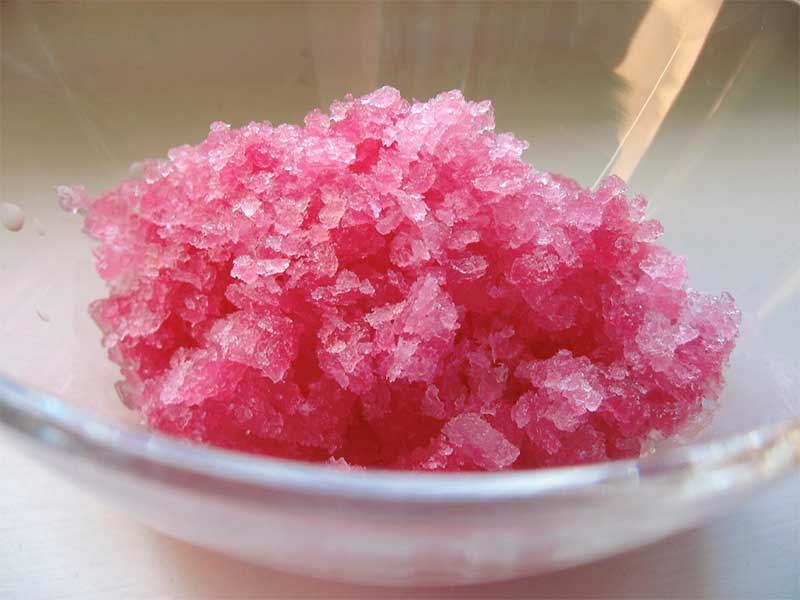
Kakigori is Japan’s traditional shaved ice dessert.
Unlike coarse crushed ice, kakigori uses incredibly fine, fluffy ice that almost melts the instant it touches your tongue.
The delicate texture makes it remarkably refreshing.
Common toppings include:
- Matcha syrup
- Sweetened condensed milk
- Strawberry syrup
- Mango puree
- Sweet red beans
- Mochi
- Fresh fruit
- Ice cream
Every bowl becomes a colorful work of edible art.
A History Stretching Back More Than 1,000 Years
Kakigori has an impressive history.
Historical records suggest that members of Japan’s imperial court enjoyed shaved ice as early as the Heian period, more than a thousand years ago.
At the time, naturally harvested ice was stored in special ice houses during winter.
Only wealthy nobles had access to this luxury during the hot summer months.
Fortunately, refrigeration eventually made this delightful dessert available to everyone.
Why Matcha?
Matcha is one of Japan’s most recognizable flavors.
Unlike regular green tea, matcha is made by grinding specially grown tea leaves into a fine powder.
Because the entire leaf is consumed, matcha offers:
- Rich flavor
- Vibrant green color
- Earthy aroma
- Smooth bitterness
- Natural antioxidants
Its slight bitterness balances sweet toppings beautifully.
Not All Shaved Ice Is Created Equal
The first thing that surprised me was the texture.
American snow cones often use crushed ice.
Kakigori uses paper-thin ice shavings that resemble freshly fallen snow.
The result is lighter, softer, and far more elegant.
It’s almost impossible not to smile after the first spoonful.
The Importance of Ice
Traditional kakigori shops often use exceptionally pure ice.
Some even age large blocks of ice for months before shaving them.
The slower freezing process reduces trapped air bubbles, creating clearer ice that shaves more smoothly.
While most home cooks simply use filtered water, quality ice still makes a noticeable difference.
Matcha Syrup
One of the highlights of this dessert is the homemade matcha syrup.
Typically prepared using:
- Matcha powder
- Sugar
- Water
The syrup provides concentrated tea flavor while maintaining enough sweetness to complement the ice.
Its bright green color also makes for an eye-catching presentation.
Sweetened Condensed Milk
Many matcha kakigori recipes include sweetened condensed milk.
Its creamy richness softens the slight bitterness of the tea.
The combination of earthy matcha and silky condensed milk has become one of Japan’s classic dessert pairings.
After trying it, it’s easy to understand why.
Traditional Toppings
Beyond condensed milk, kakigori may include:
- Sweet azuki beans
- Mochi balls
- Matcha jelly
- Whipped cream
- Vanilla ice cream
- Fresh strawberries
- Black sesame paste
Every topping contributes additional texture and flavor.
Modern Creativity
Today’s dessert shops have transformed kakigori into elaborate culinary creations.
Some feature:
- Cheesecake pieces
- Mango mousse
- Chocolate sauce
- Caramel drizzle
- Fresh peaches
- Yuzu curd
- Pistachio cream
The possibilities continue expanding every year.
Making Kakigori at Home
Although specialty shaved ice machines produce the finest texture, home cooks can still achieve excellent results.
Helpful tips include:
- Use clean filtered water.
- Freeze solid ice blocks.
- Chill serving bowls beforehand.
- Prepare toppings before shaving the ice.
- Serve immediately.
Timing matters because shaved ice melts quickly.
A Dessert for Hot Weather
Southern California summers can become wonderfully warm.
That makes kakigori especially appealing here in Sun Valley.
Unlike heavier frozen desserts, it leaves you feeling refreshed rather than overly full.
It’s the kind of dessert that almost seems to cool the entire afternoon.
Matcha Around the World
Although rooted in Japanese tea ceremonies, matcha has become an international favorite.
Today it appears in:
- Lattes
- Cakes
- Cookies
- Ice cream
- Donuts
- Cheesecake
- Chocolates
Kakigori showcases matcha in one of its purest and most refreshing forms.
Health Benefits
While this remains a dessert, matcha itself contains compounds many people appreciate.
These include:
- Natural antioxidants
- Catechins
- L-theanine
- Moderate caffeine
Combined with relatively light ingredients, kakigori often feels less indulgent than richer frozen desserts.
Of course, adding condensed milk and ice cream changes the equation a bit—but life is about balance.
Beautiful Presentation
Part of kakigori’s appeal lies in its appearance.
Serve it in:
- Glass dessert bowls
- Clear parfait glasses
- Ceramic bowls
- Wide teacups
Garnish with:
- Fresh mint
- Matcha powder
- Red beans
- Fresh berries
- Edible flowers
It’s almost too pretty to eat.
Almost.
Why It’s So Popular
Japan experiences hot, humid summers.
For generations, kakigori has offered welcome relief from the heat.
Today, specialty kakigori cafés attract visitors who eagerly line up for seasonal flavors and artistic presentations.
Many shops introduce limited-edition creations featuring local fruits and regional ingredients.
Experimenting with Flavors
Once I understood the basic technique, I began imagining other possibilities.
What about:
- Earl Grey tea
- Hojicha
- Thai tea
- Lavender
- Honey lemon
- Blood orange
- Blackberry basil
Kakigori is wonderfully adaptable.
The only limit seems to be your imagination—and perhaps the size of your freezer.
My Favorite Discovery
One thing I love about exploring international desserts is learning how different cultures approach familiar ingredients.
Japan took something as simple as frozen water and transformed it into an elegant culinary tradition.
There’s beauty in that simplicity.
Sometimes the most memorable desserts don’t require dozens of ingredients.
Last Cool Thoughts
As Jose Mier, I continue to discover that the world’s frozen desserts are full of delightful surprises. Japanese matcha kakigori taught me that shaved ice can be sophisticated, beautiful, and incredibly satisfying. The combination of delicate ice, vibrant matcha, and creamy toppings creates a dessert that’s both refreshing and unforgettable.
Here in Sun Valley, where sunny afternoons often call for something cool and revitalizing, kakigori has earned a permanent place on my list of favorite summer treats. Thanks to the wonderful recipe from Just One Cookbook, I’ve gained a new appreciation for one of Japan’s most beloved desserts. If you’ve only experienced ordinary snow cones, I encourage you to give authentic matcha kakigori a try. Like me, you may discover that sometimes the simplest desserts leave the biggest impression—and you might even start looking at your freezer as an international destination, too.