Jose Mier shares with Sun Valley, CA a recipe for frozen apple pie (aka, apple pie a la mode, which can be found here).
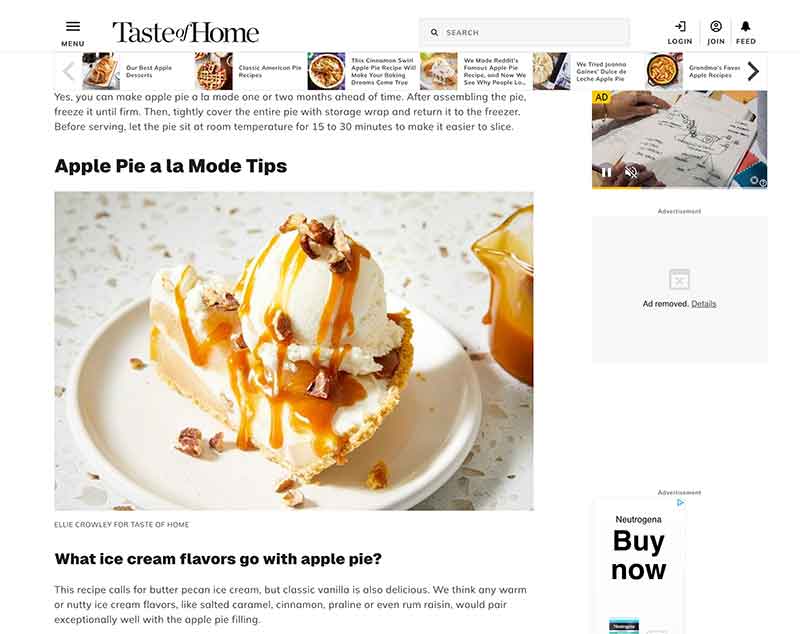
Apple pie is one of the most iconic desserts in the world, celebrated for its comforting flavors, rich history, and deep cultural significance. With its flaky crust, tender apples, warm spices, and inviting aroma, apple pie has become synonymous with home cooking, family gatherings, and tradition. Although it is often strongly associated with the United States and the phrase “as American as apple pie,” the dessert’s origins stretch back centuries and across continents. Over time, apple pie has evolved into countless variations, from rustic farmhouse recipes to elegant gourmet creations and even modern frozen apple pie desserts that offer a refreshing twist on the classic favorite.
The history of apple pie begins long before it became an American symbol. Apples themselves originated in Central Asia, particularly in the region that is now Kazakhstan. Over thousands of years, apples spread across Europe through trade routes and cultivation. By the Middle Ages, apples were widely grown throughout Europe, and cooks began incorporating them into pies and pastries. Early European pies, however, were quite different from the sweet apple pies people enjoy today. Medieval pies often used thick, sturdy crusts known as “coffins,” which were primarily intended to hold the filling rather than be eaten. These pies frequently combined sweet and savory ingredients, including meats, spices, and fruits.
One of the earliest known apple pie recipes appeared in England in the 14th century. This recipe included apples, figs, raisins, pears, and saffron, all enclosed in a pastry shell. Notably, sugar was not always a common ingredient at the time because it was expensive and less widely available. Instead, natural sweetness came from fruits and honey. Cinnamon, nutmeg, and cloves were often added to create the warm, aromatic flavor profile that remains closely associated with apple pie today.
As European settlers traveled to North America, they brought their pie-making traditions with them. Apples, however, were not initially native to much of the continent in the form people recognize today. Colonists planted orchards and cultivated apple varieties suited to local climates. Over time, apples became abundant, and pie-making flourished. The combination of plentiful apples and evolving baking techniques helped apple pie become a staple of colonial kitchens.
In the United States, apple pie gradually transformed into more than just a dessert. It became a cultural symbol representing comfort, prosperity, and home life. During the 19th and early 20th centuries, apple pie was closely associated with rural America and traditional family values. The phrase “as American as apple pie” gained popularity during the 20th century, especially during World War II, when soldiers reportedly described fighting for “mom and apple pie.” This connection elevated the dessert into a patriotic icon, even though its roots were distinctly European.
Part of apple pie’s enduring popularity comes from its simplicity and versatility. At its most basic, apple pie consists of a pastry crust filled with sliced apples, sugar, butter, and spices. Yet within this seemingly simple formula lies endless opportunity for variation. Different apple varieties produce different flavors and textures. Tart apples such as Granny Smith create a balanced filling that contrasts beautifully with sweet spices, while sweeter apples like Honeycrisp or Fuji provide a softer, more mellow flavor. Many bakers combine multiple apple varieties to achieve the perfect balance of sweetness, tartness, and texture.
The crust itself is another defining feature. Some people prefer a traditional double crust, where pastry encloses both the top and bottom of the filling. Others enjoy lattice crusts, crumb toppings, or deep-dish versions with extra-thick layers of apples. The crust can be buttery and flaky, crisp and crumbly, or even enriched with ingredients like cheddar cheese, which has long been paired with apple pie in certain regions of the United States.
Spices also play a critical role in defining the flavor of apple pie. Cinnamon is the most common, providing warmth and sweetness, but nutmeg, allspice, ginger, and cloves are also frequently used. These spices contribute to the comforting aroma that fills kitchens during baking and makes apple pie especially popular during autumn and holiday seasons.
Another reason for apple pie’s popularity is its emotional and nostalgic appeal. For many people, apple pie evokes memories of family dinners, holiday gatherings, and childhood experiences. The smell of apples and cinnamon baking in the oven is deeply comforting and often associated with warmth, hospitality, and tradition. Because recipes are frequently passed down through generations, apple pie also becomes part of family history, carrying memories and traditions from one era to the next.
Apple pie’s adaptability has also helped it remain relevant across generations. Modern bakers continue to experiment with new interpretations and presentations. Some recipes incorporate caramel, bourbon, maple syrup, or salted caramel to add contemporary flavors. Others create miniature hand pies, turnovers, or apple pie bars for convenience and portability. Vegan and gluten-free versions have become increasingly popular as dietary preferences evolve, allowing more people to enjoy the dessert without sacrificing flavor.
One especially creative variation that has gained popularity is frozen apple pie. Frozen apple pie desserts take the familiar flavors of traditional apple pie and combine them with the cool, creamy textures of frozen treats. Some frozen apple pies are made by freezing traditional pie filling within a crust and serving it chilled rather than warm. Others transform the concept entirely by layering apple pie filling with ice cream, whipped cream, or frozen cheesecake-style fillings.
Frozen apple pie ice cream cakes have become especially popular during warmer months. These desserts often feature a crust made from crushed cookies or graham crackers, topped with cinnamon-spiced apples and layers of vanilla or caramel ice cream. The result is a refreshing dessert that retains the comforting flavor of apple pie while offering the coolness of a frozen treat. Some recipes even include caramel swirls, candied pecans, or streusel toppings to mimic the texture and flavor of traditional baked pie.
Another popular variation is frozen apple pie cheesecake, which combines creamy cheesecake filling with apple pie flavors and a frozen texture. This dessert merges two classic favorites into one indulgent creation, often finished with caramel sauce or whipped cream. Frozen mousse-style apple desserts are also becoming more common, blending apple puree, spices, and cream into light, airy frozen confections.
Commercially prepared frozen apple pies also play a major role in the dessert’s popularity. Grocery stores carry a wide variety of ready-to-bake apple pies, making it easier for busy families to enjoy the dessert without preparing it from scratch. Frozen pies became especially popular in the mid-20th century as convenience foods grew in demand. These products helped make apple pie accessible year-round, regardless of apple season or baking skill.
Beyond the United States, apple pie and related desserts have found popularity around the world. In France, tarte Tatin offers an upside-down caramelized apple variation. In the Netherlands, Dutch apple pie often includes raisins and a crumb topping. In Germany and Austria, apple strudel showcases thin pastry wrapped around spiced apple filling. These international variations demonstrate the universal appeal of apples and pastry combined.
Apple pie also plays an important role in seasonal celebrations and holidays. In the United States and Canada, it is a staple dessert during Thanksgiving and Christmas dinners. During autumn, apple orchards and cider mills often feature fresh pies as part of harvest festivities. The dessert’s association with fall is strengthened by the seasonal availability of apples and the warm spices commonly used in the filling.
In popular culture, apple pie has become shorthand for wholesomeness, tradition, and Americana. It appears in films, television shows, advertisements, and literature as a symbol of comfort and domestic life. This cultural presence reinforces its status as more than just a dessert—it becomes an emotional and symbolic experience tied to ideas of family and home.
The future of apple pie remains bright because of its ability to evolve while staying true to its core identity. New flavor combinations, dietary adaptations, and creative presentations continue to emerge, introducing apple pie to new audiences and keeping it fresh for longtime fans. Whether served warm with a scoop of vanilla ice cream, enjoyed as a rustic homemade dessert, or reimagined as a frozen apple pie creation, the essence of apple pie remains the same: comforting, flavorful, and deeply connected to tradition.
Ultimately, apple pie endures because it speaks to something universal. It combines simple ingredients into something greater than the sum of its parts, creating a dessert that feels both familiar and special. Its long history, cultural significance, and endless adaptability ensure that apple pie will continue to hold a cherished place at tables around the world for generations to come.