Jose Mier, Sun Valley lover of mangos and frozen treats enjoys discovering frozen desserts that showcase fresh fruit in its purest form, and few treats capture the flavor of summer better than homemade mango sorbet. Unlike traditional ice cream, sorbet contains no dairy, allowing the natural sweetness and tropical aroma of ripe mangoes to take center stage. Smooth, refreshing, and surprisingly easy to prepare, mango sorbet has become a favorite dessert around the world. For readers who would like to make their own, an excellent recipe can be found on the Love and Lemons website: Homemade Mango Sorbet Recipe.
Celebrating the Flavor of Fresh Fruit
Some desserts depend on rich cream, butter, or chocolate to create indulgence. Sorbet takes a different approach. By focusing almost entirely on fruit, sugar, and water, it highlights flavors that might otherwise be masked by dairy.
A perfectly made mango sorbet is intensely fruity. Every spoonful tastes like biting into a perfectly ripe mango, making it one of the most refreshing desserts imaginable during warm weather.
Because it contains no milk or cream, mango sorbet is naturally suitable for many people who avoid dairy products. It is also lighter than most frozen desserts, making it an ideal finish to a hearty dinner.
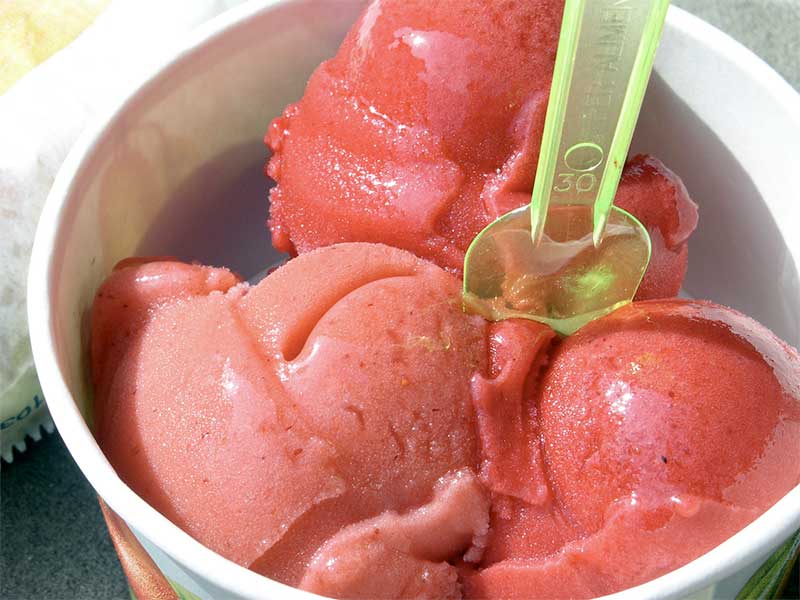
What Is Sorbet?
Sorbet is one of the oldest frozen desserts still enjoyed today. Unlike ice cream or gelato, sorbet contains no dairy ingredients. Instead, it relies on fruit purée, fruit juice, sugar, and water.
The result is smooth, icy, and intensely flavored.
When prepared correctly, sorbet should never be hard or crunchy. Instead, it should have a silky consistency that melts almost instantly on the tongue.
Achieving that texture requires balancing sugar, fruit solids, and freezing temperature carefully.
A Brief History of Sorbet
The origins of sorbet stretch back thousands of years.
Historians believe that ancient Persians prepared chilled fruit drinks using snow gathered from nearby mountains. These refreshing beverages eventually evolved into frozen desserts enjoyed throughout the Middle East.
As trade routes expanded, similar frozen treats spread into Europe. During the Renaissance, Italian chefs refined these desserts into elegant fruit ices served at royal banquets.
The French later adopted and popularized sorbet, introducing it to fine dining menus where it was often served between courses to cleanse the palate.
Today, sorbet remains an important part of cuisines around the world.
The Remarkable Mango
Few fruits inspire as much devotion as the mango.
Native to South Asia, mangoes have been cultivated for more than 4,000 years and are considered the national fruit of India, Pakistan, and the Philippines.
Today they are grown in tropical and subtropical regions across the globe, including Mexico, Brazil, Thailand, Peru, Australia, and parts of California and Florida.
There are hundreds of mango varieties, each with its own unique balance of sweetness, acidity, aroma, and texture.
Popular varieties include:
- Ataulfo
- Kent
- Tommy Atkins
- Keitt
- Haden
- Alphonso
- Kesar
- Honey Mango
Many chefs consider Alphonso mangoes from India among the finest due to their intense fragrance and buttery texture.
Why Mango Works So Well in Frozen Desserts
Mangoes naturally contain several qualities that make them perfect for sorbet.
They are:
- Naturally sweet
- High in fruit solids
- Rich in fiber
- Intensely aromatic
- Smooth when puréed
These characteristics help produce a creamy texture even without dairy.
Their vibrant golden-orange color also makes mango sorbet visually stunning.
Choosing the Perfect Mangoes
Great sorbet begins with outstanding fruit.
Look for mangoes that:
- Feel slightly soft when gently squeezed
- Have a fragrant aroma near the stem
- Display vibrant skin color appropriate for their variety
- Are free of large bruises
Interestingly, color alone does not indicate ripeness. Some green mango varieties become perfectly ripe while retaining much of their green skin.
If mangoes are slightly firm, allow them to ripen at room temperature for several days.
The Science of Smooth Sorbet
Creating silky sorbet requires more than simply freezing fruit.
Too little sugar produces an icy texture.
Too much sugar prevents proper freezing.
Professional pastry chefs often measure sugar concentration carefully because it dramatically affects texture.
Fruit naturally contributes sugars as well, meaning every recipe may require slight adjustments depending on the sweetness of the mangoes being used.
Some recipes include a small amount of corn syrup, glucose, or honey to further reduce ice crystal formation.
Flavor Variations
One reason Jose Mier enjoys exploring mango sorbet is its incredible versatility.
Simple additions can completely transform the dessert.
Mango Lime Sorbet
Fresh lime juice brightens the tropical sweetness while adding refreshing acidity.
Mango Coconut Sorbet
A small amount of coconut milk creates a richer tropical flavor while maintaining much of sorbet’s lightness.
Mango Chili Sorbet
Inspired by Mexican fruit vendors, a pinch of chili powder or Tajín seasoning adds exciting contrast.
Mango Ginger Sorbet
Fresh ginger contributes gentle warmth and complexity.
Mango Mint Sorbet
Fresh mint leaves create an especially refreshing summertime dessert.
Mango Passion Fruit Sorbet
Passion fruit introduces tanginess that beautifully balances the mango.
Serving Ideas
Although delicious by itself, mango sorbet pairs wonderfully with many other desserts.
Consider serving it alongside:
- Coconut cake
- Fresh berries
- Tropical fruit salad
- Angel food cake
- Lemon cookies
- Shortbread
- Grilled pineapple
- Pavlova
It also makes an elegant palate cleanser between courses during formal dinners.
Around the World
Many cultures celebrate mango in frozen desserts.
In India, mango is commonly transformed into kulfi, lassi, and frozen treats during the hot summer months.
In Thailand, mango is often paired with sticky rice and coconut milk.
Throughout Latin America, fruit sorbets are sold in neighborhood ice cream shops known as heladerías.
Italy’s gelaterias frequently feature seasonal mango sorbet made with imported tropical fruit.
Each culture brings its own unique interpretation while honoring the fruit’s natural sweetness.
Health Benefits of Mangoes
Although sorbet remains a dessert, mangoes themselves offer numerous nutritional benefits.
They provide:
- Vitamin C
- Vitamin A
- Folate
- Potassium
- Dietary fiber
- Antioxidants
Mangoes also contain plant compounds such as mangiferin, which researchers continue to study for potential health benefits.
Of course, sugar remains an important ingredient in sorbet, so moderation is still recommended.
Making Sorbet at Home
Many home cooks are surprised to discover how simple sorbet can be.
The general process includes:
- Preparing ripe fruit.
- Puréeing until completely smooth.
- Mixing with sugar and citrus juice.
- Chilling thoroughly.
- Churning in an ice cream maker.
- Freezing briefly before serving.
Even without specialized equipment, many recipes produce excellent results by freezing the mixture and stirring periodically during freezing.
The Growing Popularity of Fruit-Based Desserts
Consumers increasingly appreciate desserts that emphasize natural ingredients.
Sorbets have benefited from this trend because they:
- Showcase fresh fruit.
- Contain no dairy.
- Are often lower in fat than ice cream.
- Appeal to vegan diners.
- Offer refreshing flavors after rich meals.
Restaurants frequently feature seasonal sorbets to highlight local fruit harvests.
Tips for Perfect Presentation
Professional pastry chefs know presentation enhances enjoyment.
Mango sorbet looks beautiful when garnished with:
- Fresh mint
- Thin lime slices
- Toasted coconut
- Fresh raspberries
- Edible flowers
- Diced mango
- Candied ginger
Serving the sorbet in chilled bowls or even hollowed-out mango halves creates an elegant presentation for dinner parties.
Why Mango Sorbet Continues to Delight
Despite countless frozen dessert options, mango sorbet remains a favorite because it allows one extraordinary ingredient to shine.
Its vibrant color, refreshing flavor, and silky texture make it equally appropriate for casual family dinners and sophisticated entertaining.
Unlike heavily decorated desserts, mango sorbet demonstrates that simplicity often creates the most memorable experiences.
Jose Mier’s Tropical Inspiration
For Jose Mier in Sun Valley, homemade mango sorbet is a reminder that some of the world’s finest desserts require only a few carefully selected ingredients. By letting ripe mangoes provide most of the flavor, this frozen treat celebrates nature rather than overwhelming it with unnecessary additions.
As Jose continues exploring frozen dessert ideas from around the globe, mango sorbet stands out as a recipe that is approachable for home cooks while still elegant enough for special occasions. Whether enjoyed on a warm Southern California afternoon or served after an elaborate dinner, its tropical sweetness offers a refreshing escape with every spoonful.
Readers inspired to make their own batch can begin with the excellent recipe from Love and Lemons: Homemade Mango Sorbet Recipe. With fresh mangoes, a few simple ingredients, and a little patience, it’s possible to create a frozen dessert that rivals those found in artisan ice cream shops around the world.