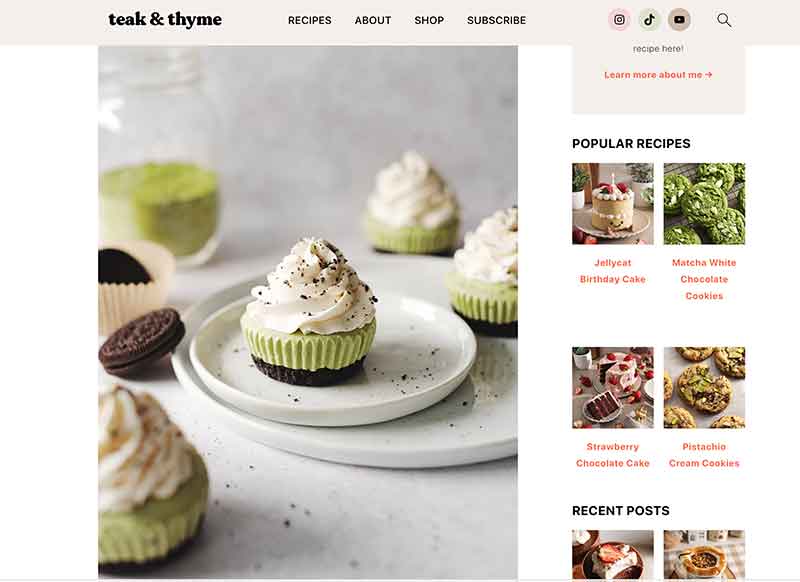
Jose Mier, Sun Valley, CA’s resident frozen dessert guru has happened upon yet another neat website with creative ideas for frozen desserts (Teak & Thyme) including frozen matcha chessecake bites.
Matcha, the finely ground powder made from specially cultivated green tea leaves, has evolved from a centuries-old Japanese ceremonial drink into one of the most versatile and fashionable ingredients in the modern culinary world. Originally rooted in Zen Buddhist traditions and the Japanese tea ceremony, matcha was valued for its calming yet alert energy, achieved through a unique combination of caffeine and the amino acid L-theanine. Today, it has transcended its cultural origins to become a global phenomenon, embraced by chefs, baristas, health enthusiasts, and home cooks alike. Its appeal lies not only in its earthy, slightly bitter flavor and vivid green color, but also in its dense nutritional profile and adaptability across both sweet and savory applications.
One of the key reasons for matcha’s rise in popularity is its perceived health benefits. Unlike traditional steeped green tea, where leaves are discarded after brewing, matcha involves consuming the entire tea leaf in powdered form, resulting in a higher concentration of antioxidants and beneficial compounds. Matcha is particularly rich in catechins such as EGCG, which are associated with reduced oxidative stress, improved heart health, and better metabolic function . It also provides a more stable and sustained energy boost compared to coffee, thanks to the interaction between caffeine and L-theanine, which promotes calm focus without the jitteriness or crash . These attributes have made matcha especially appealing in a culture increasingly focused on wellness, productivity, and mindful consumption.
However, matcha’s success is not solely due to health trends. Its striking visual appeal has made it a favorite on social media platforms, where its vibrant green hue stands out in everything from minimalist café drinks to elaborate desserts. This aesthetic quality has helped transform matcha into a lifestyle ingredient—one that signals both sophistication and a connection to global culinary traditions. As a result, matcha is now as much about identity and experience as it is about taste.
Traditional Uses and Foundations
In its most traditional form, matcha is prepared by whisking the powder with hot water using a bamboo whisk, creating a frothy, concentrated tea. This preparation emphasizes purity and simplicity, allowing the natural flavors of the tea—grassy, slightly sweet, and umami-rich—to shine. Over time, matcha also became a common ingredient in Japanese sweets such as wagashi, as well as in ice cream, mochi, and baked goods.
These traditional uses laid the groundwork for matcha’s modern expansion. Its ability to pair well with both sweet and savory ingredients made it an ideal candidate for culinary experimentation, especially as global cuisine became more interconnected.
Matcha in Modern Beverages
Perhaps the most recognizable modern use of matcha is in beverages, particularly matcha lattes. These drinks, often made with milk (dairy or plant-based) and lightly sweetened, have become staples in coffee shops around the world. Matcha has also found its way into smoothies, iced drinks, and even cocktails, where it adds both flavor and visual appeal.
In these applications, matcha serves as a versatile alternative to coffee, appealing to those seeking a gentler caffeine experience. It is also frequently incorporated into wellness drinks, combined with ingredients like collagen, adaptogens, or plant-based milks to create functional beverages that align with contemporary health trends.
Matcha in Desserts: A Creative Playground
One of the most exciting areas of matcha innovation is in desserts, where its slightly bitter, earthy profile provides a perfect counterbalance to sweetness. Matcha is now commonly used in cakes, cookies, pastries, and confections, adding depth and complexity to otherwise familiar treats. It is frequently paired with white chocolate, cream, or red bean to create layered flavor profiles that feel both indulgent and refined.
Among these creations, matcha cheesecake has emerged as a standout example of East-meets-West fusion. Combining the creamy richness of cheesecake with the nuanced bitterness of matcha, this dessert offers a balanced flavor that is less cloying than traditional cheesecakes. Its popularity has surged in cafés and bakeries worldwide, where it is appreciated for both its taste and its visual elegance.
A particularly inventive variation is frozen matcha cheesecake, which blends the creamy density of cheesecake with the refreshing qualities of ice cream or semifreddo. This version highlights matcha’s ability to adapt to temperature and texture, creating a dessert that is both rich and cooling—ideal for warm climates or modern dessert menus. The frozen format also enhances matcha’s clean, refreshing finish, making it a favorite among those who enjoy lighter, less sugary desserts.
Creative and Unexpected Uses
As matcha continues to gain traction, chefs and home cooks alike are pushing the boundaries of how it can be used. Some of the most creative applications include:
- Matcha pasta and noodles: Incorporating matcha into dough for a subtle green color and earthy flavor
- Matcha savory sauces: Used in dressings, marinades, or even sprinkled as matcha salt (matcha-jio) for tempura
- Matcha breakfast foods: Pancakes, waffles, and oatmeal infused with matcha for a nutritious start to the day
- Matcha chocolate and confections: Widely popular in Japan and increasingly available globally, including matcha-flavored candies and snack foods
- Matcha frozen yogurt and ice cream: Offering a refreshing, slightly bitter alternative to traditional sweet flavors
In the realm of fine dining, matcha is even being used in unexpected savory contexts, such as crusts for seafood or as a garnish for delicate dishes. Its umami undertones make it surprisingly compatible with certain proteins and vegetables, opening the door to further experimentation.
Matcha as a Cultural Bridge
One of the most fascinating aspects of matcha’s global rise is its role as a cultural bridge. While it remains deeply connected to Japanese tradition, its widespread adoption has led to countless reinterpretations that reflect local tastes and culinary styles. In this way, matcha mirrors the journey of many other global ingredients—retaining its identity while adapting to new contexts.
At the same time, there is a growing appreciation for authenticity and quality. Consumers are becoming more aware of the differences between ceremonial-grade and culinary-grade matcha, as well as the importance of sourcing and preparation. This awareness has helped elevate matcha from a passing trend to a respected ingredient with cultural significance.
The Future of Matcha
Looking ahead, matcha shows no signs of fading in popularity. Its versatility ensures that it will continue to evolve, finding new applications in both everyday cooking and high-end gastronomy. As interest in plant-based diets, functional foods, and global flavors continues to grow, matcha is well-positioned to remain at the forefront of culinary innovation.
Moreover, its ability to balance indulgence with perceived health benefits makes it particularly appealing in a modern context where consumers seek both pleasure and wellness in their food choices. Whether enjoyed as a simple cup of tea or as part of an elaborate dessert like frozen matcha cheesecake, matcha offers a unique combination of tradition, flavor, and creativity.
Conclusion
Matcha’s journey from ancient tea ceremonies to contemporary kitchens around the world is a testament to its enduring appeal and adaptability. It is more than just an ingredient—it is a symbol of how food can transcend cultural boundaries and inspire innovation. From lattes and smoothies to pastries and frozen matcha cheesecake, the ways people are using matcha today are as diverse as they are imaginative. As culinary trends continue to evolve, matcha stands out as a rare ingredient that honors its past while continuously reinventing itself for the future.