Jose Mier, the Sun Valley, CA chef, loves chocolate and frozen desserts so a frozen chocolate torte from BBC Food was a no-brainer.
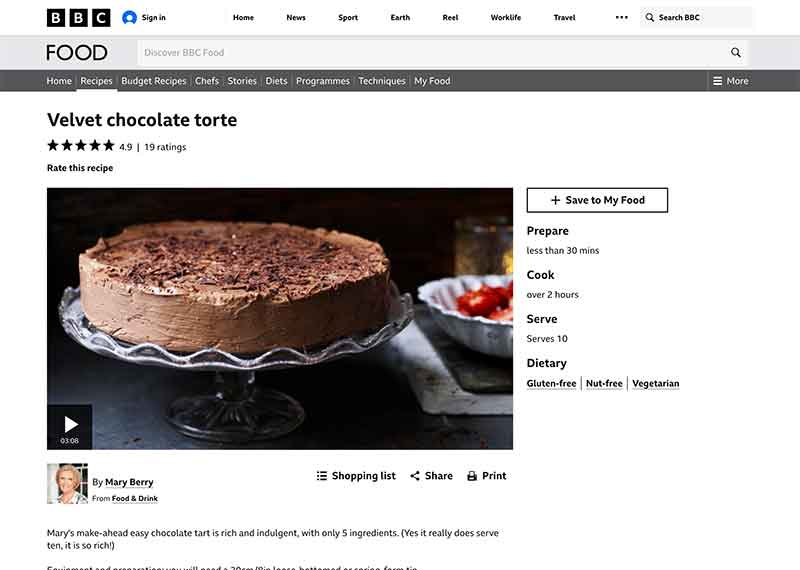
Frozen chocolate tortes occupy a special place in the world of desserts, blending the indulgent richness of chocolate with the refreshing, velvety appeal of frozen confections. Elegant yet approachable, these desserts are often associated with fine dining and special occasions, but they are also surprisingly adaptable for home kitchens. By freezing rather than baking, frozen chocolate tortes offer a unique texture and flavor experience that sets them apart from traditional cakes and tortes, while still delivering the deep, satisfying taste that chocolate lovers crave.
What Is a Frozen Chocolate Torte?
A frozen chocolate torte is a dense, sliceable dessert made primarily from chocolate, cream, eggs, sugar, and sometimes butter or liqueur, which is chilled or frozen until firm. Unlike baked tortes, frozen versions rely on emulsification and chilling for structure rather than flour or leavening agents. The result is a smooth, almost mousse-like interior that softens quickly when served, creating a luxurious melt-in-the-mouth sensation.
Frozen chocolate tortes are often described as a cross between ice cream, mousse, and classic chocolate cake. They are typically served in thin slices due to their richness and are frequently accompanied by simple garnishes that balance the intensity of the chocolate.
A Brief History and Culinary Context
While the exact origins of frozen chocolate tortes are difficult to pinpoint, they evolved alongside European chocolate desserts such as mousses, terrines, and semifreddos. French and Italian pastry traditions, in particular, emphasize chilled and frozen desserts that highlight pure flavors and refined textures.
As refrigeration became more common in professional and home kitchens, chefs began experimenting with frozen preparations that required less baking and more emphasis on ingredient quality. Chocolate, with its natural ability to firm up when chilled, proved to be an ideal candidate for frozen desserts. Over time, the frozen chocolate torte emerged as a refined yet accessible option for chefs seeking a dramatic dessert that could be prepared in advance.
Key Ingredients and Their Roles
The success of a frozen chocolate torte depends heavily on ingredient balance. High-quality chocolate is the foundation, typically dark chocolate with a cocoa content ranging from 60 to 75 percent. This provides depth, bitterness, and structure.
Cream or butter adds richness and smoothness, while eggs—often separated into yolks and whites—contribute body and stability. Sugar balances the bitterness of the chocolate and helps maintain a smooth texture when frozen. Some recipes include flavor enhancers such as vanilla, espresso, citrus zest, or liqueurs like Grand Marnier, rum, or espresso-flavored spirits.
Unlike traditional cakes, frozen chocolate tortes usually contain little to no flour, making them naturally gluten-free in many cases.
Texture and Mouthfeel
One of the defining characteristics of frozen chocolate tortes is their texture. When fully frozen, they are firm enough to slice cleanly, but as they warm slightly, they soften into a creamy, almost truffle-like consistency. This transformation is a key part of the eating experience.
The mouthfeel can range from dense and fudgy to light and airy, depending on preparation. Recipes that incorporate whipped egg whites or whipped cream tend to produce a lighter, mousse-like torte, while those relying more heavily on chocolate and butter create a richer, more intense dessert.
Proper freezing and thawing are essential to achieving the ideal texture. Most frozen chocolate tortes benefit from a short rest at room temperature before serving.
Popular Variations of Frozen Chocolate Tortes
Frozen chocolate tortes lend themselves well to variation, allowing chefs and home cooks to adapt them to different tastes and occasions. Some versions incorporate layers, such as a chocolate base topped with a lighter mousse or a contrasting flavor like vanilla or raspberry.
Nut-based variations, using ground almonds, hazelnuts, or pistachios, add complexity and subtle crunch. Coffee and espresso flavors are also common, enhancing chocolate’s natural depth.
Fruit-infused tortes, particularly those featuring berries or citrus, offer a bright counterpoint to the richness of chocolate. Swirls of raspberry puree, orange zest, or passion fruit can elevate the dessert and add visual appeal.
Serving and Presentation
Presentation plays an important role in the appeal of frozen chocolate tortes. Because they are typically served in thin slices, clean cutting is essential. A warm knife, wiped between cuts, helps achieve neat edges.
Garnishes are usually simple and elegant. Lightly sweetened whipped cream, cocoa powder, chocolate curls, or fresh berries are popular choices. Some chefs drizzle plates with berry coulis or caramel sauce to add color and contrast.
Frozen chocolate tortes are often served on chilled plates to slow melting and preserve their structure during service.
Advantages of Frozen Chocolate Tortes
One of the biggest advantages of frozen chocolate tortes is their make-ahead convenience. They can be prepared days in advance and stored in the freezer, making them ideal for entertaining and special events. This reduces last-minute stress and allows hosts to focus on other aspects of the meal.
Because they are served frozen or semi-frozen, these tortes are also refreshing, particularly after rich or savory meals. Their intense flavor means smaller portions are satisfying, making them a cost-effective dessert option as well.
Challenges and Common Mistakes
Despite their elegance, frozen chocolate tortes can present challenges. Overfreezing can result in a dessert that is too hard to slice or eat comfortably. Conversely, improper freezing may lead to a texture that is icy rather than creamy.
Ingredient ratios are critical. Too much liquid can cause ice crystals to form, while insufficient fat may result in a dry or crumbly texture. Using low-quality chocolate can also compromise flavor and texture.
Attention to temperature control, both during preparation and serving, is essential for success.
Frozen Chocolate Tortes in Professional Kitchens
In professional settings, frozen chocolate tortes are prized for their reliability and visual appeal. Chefs often include them on tasting menus or dessert lists because they can be produced in batches and plated consistently.
Restaurants may experiment with seasonal variations, adjusting flavors and garnishes to reflect the time of year. The dessert’s adaptability makes it a staple in fine dining and catering environments.
Frozen Chocolate Tortes at Home
Home cooks are increasingly embracing frozen chocolate tortes for their simplicity and sophistication. With minimal baking required, these desserts are accessible even to those with limited pastry experience.
Home versions may be more rustic, but they still deliver impressive results. Silicone molds, springform pans, or loaf tins are commonly used, and many recipes allow for customization based on available ingredients.
Pairings and Occasions
Frozen chocolate tortes pair well with coffee, espresso, dessert wines, and fortified wines such as port. The bitterness of coffee and the sweetness of dessert wines complement the richness of the chocolate.
They are well suited to celebrations, dinner parties, and holidays, particularly when a make-ahead dessert is desirable. Their elegant appearance also makes them popular for anniversaries and formal gatherings.
The Enduring Appeal of Frozen Chocolate Tortes
The enduring popularity of frozen chocolate tortes lies in their balance of indulgence and restraint. They offer intense chocolate flavor without heaviness, elegance without excessive complexity, and convenience without sacrificing quality.
As culinary trends continue to favor high-quality ingredients and thoughtful preparation, frozen chocolate tortes remain a timeless dessert choice. Whether served in a fine restaurant or made at home for a special occasion, they continue to delight chocolate lovers with their rich flavor, smooth texture, and effortless sophistication.