Jose Mier, Sun Valley, CA’s frozen dessert king, has discovered a great recipe for a chilled purple sweet potato pie. You can check out the recipe on ForksOverKnives.com.
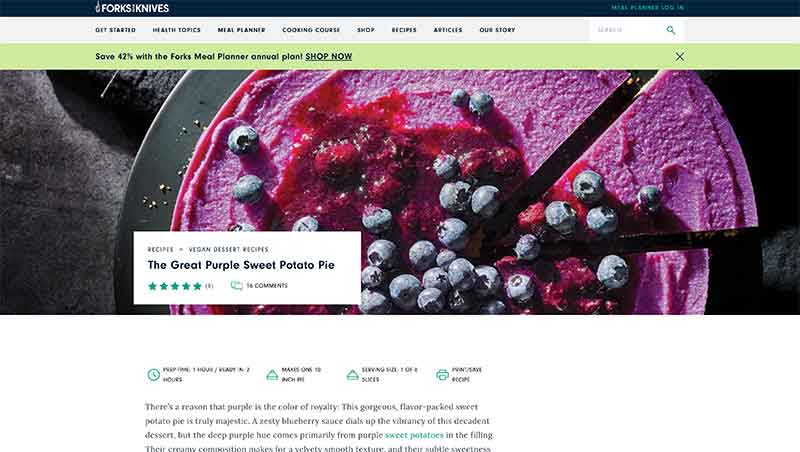
Purple sweet potatoes are a distinctive and increasingly popular root vegetable known for their vivid color, subtle sweetness, and versatility in the kitchen. Unlike the more familiar orange-fleshed sweet potatoes, purple sweet potatoes offer a denser texture and a mildly nutty, earthy flavor that lends itself to both savory and sweet preparations. Valued not only for their culinary appeal but also for their nutritional profile, purple sweet potatoes have a long history in traditional cuisines and a growing presence in modern cooking.
Understanding Purple Sweet Potatoes
Purple sweet potatoes belong to the same species as other sweet potatoes, Ipomoea batatas, but differ in pigment and flavor. Their deep purple flesh comes from anthocyanins, powerful antioxidants that give many fruits and vegetables their red, blue, or purple hues. The skin is often pale brown or purple, while the interior ranges from lavender to deep violet.
Several varieties exist, including Okinawan sweet potatoes, Hawaiian purple sweet potatoes, and Stokes Purple sweet potatoes commonly found in North America. Each has slight differences in sweetness, moisture, and texture, but all share a characteristic firmness compared to orange varieties.
Flavor and Texture Profile
Purple sweet potatoes are less sugary than orange sweet potatoes, offering a more restrained sweetness with earthy and nutty notes. Their texture is typically dry and dense rather than creamy, which influences how they are best prepared.
Because of this density, purple sweet potatoes hold their shape well during cooking, making them ideal for slicing, roasting, and frying. When mashed, they produce a thick, vibrant puree that can be used as a base for both savory and sweet dishes.
Nutritional Benefits
One of the most compelling reasons for the popularity of purple sweet potatoes is their nutritional content. Anthocyanins have been associated with anti-inflammatory and antioxidant properties. Purple sweet potatoes are also a good source of fiber, vitamin C, potassium, and complex carbohydrates.
Their lower glycemic impact compared to some other starchy vegetables makes them appealing to individuals seeking balanced energy release. While nutritional benefits vary by preparation method, purple sweet potatoes are generally considered a nutrient-dense food.
Traditional Culinary Uses
Purple sweet potatoes have long been a staple in certain regions of the world. In Okinawa, Japan, they are used in both everyday meals and traditional desserts. Okinawan sweet potatoes are often steamed or roasted and served simply to highlight their natural flavor.
In Hawaiian cuisine, purple sweet potatoes are incorporated into dishes such as poi-like preparations, baked goods, and side dishes. Across Southeast Asia, they appear in sweet soups, dumplings, and pastries, often paired with coconut milk.
These traditional uses emphasize the ingredient’s versatility and cultural significance.
Roasting and Baking
Roasting is one of the most popular ways to prepare purple sweet potatoes. High heat caramelizes their natural sugars while maintaining their firm texture. Sliced or cubed purple sweet potatoes can be roasted with olive oil, salt, and spices to create a visually striking side dish.
Baking whole purple sweet potatoes brings out their subtle sweetness and produces a fluffy interior, though still denser than orange varieties. They can be served simply with butter or used as a base for more elaborate toppings.
Mashing and Purees
When mashed, purple sweet potatoes create a thick, vividly colored puree. While they lack the creaminess of orange sweet potatoes, adding butter, cream, or coconut milk can enhance texture and flavor.
These purees are often used in soups, sauces, and baked goods. Their bold color makes them especially popular for presentation-focused dishes, where visual appeal is as important as taste.
Frying and Chips
Purple sweet potatoes are well suited to frying due to their firm texture. Thin slices can be fried into chips that retain their shape and crispness. These chips are popular as snacks and garnishes, offering a colorful alternative to traditional potato chips.
French fries made from purple sweet potatoes are another common use. They are often seasoned simply to allow the natural flavor and color to shine, though they also pair well with bold dipping sauces.
Use in Desserts and Baked Goods
Despite their mild sweetness, purple sweet potatoes are widely used in desserts. In many Asian cuisines, they appear in cakes, buns, and pastries. Their dense texture works well in baked goods, contributing moisture and structure.
Purple sweet potato pies, cookies, and breads are increasingly popular in Western kitchens. The vibrant purple hue adds visual interest without the need for artificial coloring.
In frozen desserts, purple sweet potatoes are used to make ice cream, popsicles, and cheesecakes, often paired with vanilla, coconut, or chocolate flavors.
Modern and Creative Applications
Contemporary chefs and home cooks have embraced purple sweet potatoes for their versatility and aesthetic appeal. They are featured in grain bowls, salads, and plant-based dishes, often paired with greens, legumes, and sauces.
Purple sweet potato gnocchi, pancakes, and waffles showcase the ingredient’s adaptability. Their color makes them popular on social media and in visually driven food culture.
Plant-based and gluten-free cooking communities have also adopted purple sweet potatoes as a nutritious, naturally colorful ingredient.
Pairing Flavors and Ingredients
Purple sweet potatoes pair well with a variety of flavors. Savory pairings include garlic, rosemary, thyme, and chili, while sweet applications often feature coconut, vanilla, cinnamon, and ginger.
Their earthy flavor complements both rich and bright ingredients, allowing them to function as a neutral base or a standout component. Acidic elements such as citrus or vinegar can help balance their density.
Storage and Preparation Tips
Proper storage helps preserve the quality of purple sweet potatoes. They should be kept in a cool, dry place and used within a few weeks. Refrigeration is generally avoided, as it can affect texture and flavor.
When preparing purple sweet potatoes, minimal peeling is recommended, as the skin is edible and contains nutrients. Cooking methods should be chosen based on desired texture and application.
Why Purple Sweet Potatoes Are Gaining Popularity
The rising popularity of purple sweet potatoes reflects broader food trends that emphasize nutrient density, visual appeal, and global flavors. Their natural color aligns with interest in whole foods and clean labeling, while their versatility suits modern cooking styles.
They appeal to health-conscious consumers, chefs seeking distinctive ingredients, and home cooks looking to add variety to familiar recipes.
Conclusion
Purple sweet potatoes are far more than a colorful novelty. With a rich history, nutritional benefits, and wide-ranging culinary applications, they have earned their place in kitchens around the world. From traditional dishes to modern creations, they offer flavor, texture, and visual impact that few ingredients can match.
Whether roasted, mashed, fried, or baked into desserts, purple sweet potatoes continue to inspire creativity and bring depth to both everyday meals and special occasions. Their unique qualities ensure they will remain a valued ingredient in both traditional and contemporary cuisine.