Jose Mier, Sun Valley, CA’s frozen dessert freak stubled on a recipe for an incredibly simple (and potentially low carb) recipe for “chocolate whips” which are frozen whipped cream with flavors added. The recipe can be found on Sprinkle Some Fun.
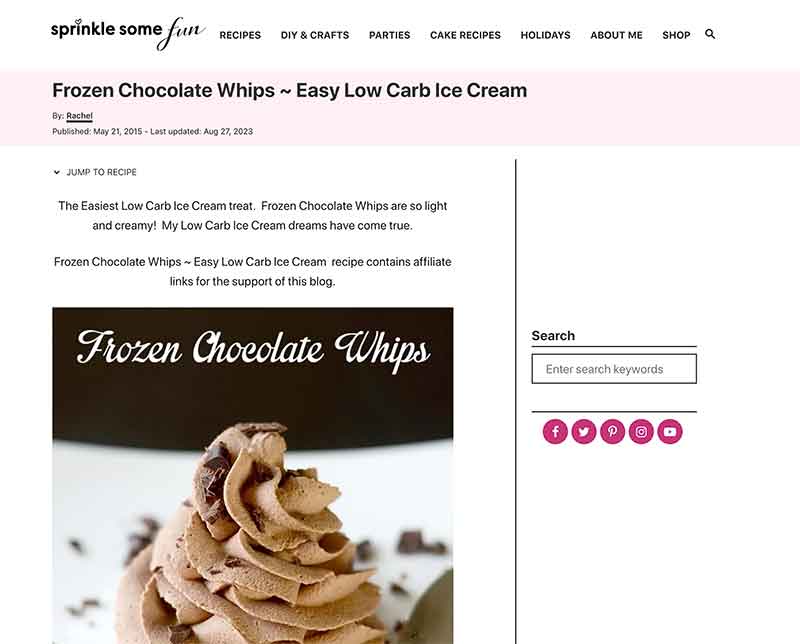
Frozen whipped cream occupies a unique and often overlooked space in the world of desserts, sitting somewhere between classic whipped cream, mousse, and ice cream. While it may sound simple—cream whipped with sugar and frozen—the ways people prepare, flavor, shape, and serve frozen whipped cream vary widely across home kitchens, bakeries, and professional pastry shops. Its light texture, rich dairy flavor, and adaptability make it a versatile component in both traditional and creative desserts, as well as an appealing option for those seeking a less dense alternative to ice cream.
What Frozen Whipped Cream Is—and What It Isn’t
At its core, frozen whipped cream begins the same way as traditional whipped cream: heavy cream is beaten until it incorporates air and thickens, often with sugar and flavorings such as vanilla. The difference lies in what happens next. Instead of being served immediately or refrigerated briefly, the whipped cream is frozen. When frozen correctly, it retains much of its airy structure, resulting in a soft, spoonable frozen dessert rather than a hard, icy block.
Unlike ice cream, frozen whipped cream is not churned while freezing and typically contains no eggs or stabilizers, although some versions may include gelatin, mascarpone, or cream cheese to improve texture. Because it lacks the continuous agitation and precise fat-to-water balance of ice cream, frozen whipped cream melts more quickly and has a lighter mouthfeel. This quality is part of its charm: it delivers rich flavor without heaviness.
Historical and Culinary Roots
Frozen whipped cream has roots in classic European desserts, particularly French and Italian cuisine. French desserts such as crème Chantilly and parfait influenced the idea of freezing whipped cream-based mixtures. Italian semifreddo—literally meaning “half-cold”—is perhaps the closest cousin, often made with whipped cream folded into flavored bases and frozen to a soft consistency.
Over time, home cooks adapted these techniques into simpler forms. Freezing leftover whipped cream, piping it into shapes, or using it as a decorative frozen topping became common practices. In mid-20th-century home cooking, frozen whipped toppings and molded desserts gained popularity, cementing frozen whipped cream as both a practical and playful dessert element.
How Texture Is Achieved
The key to successful frozen whipped cream lies in how the cream is whipped and frozen. Overwhipping leads to a grainy texture and eventual butter formation, which freezes poorly. Underwhipping, on the other hand, produces a loose structure that collapses when frozen.
Many people stabilize whipped cream before freezing to improve structure. Gelatin is a common addition, dissolved and folded in while the cream is still soft. Others use powdered sugar, which contains cornstarch, or add mascarpone or crème fraîche for stability and richness. Professional pastry chefs may use commercial stabilizers, but home cooks often rely on simple methods.
Freezing technique also matters. Spreading whipped cream into shallow layers or piping individual portions allows it to freeze quickly and evenly, reducing ice crystal formation. Slow freezing or frequent temperature fluctuations can cause the cream to weep or become icy.
Frozen Whipped Cream as a Standalone Dessert
One of the simplest ways people enjoy frozen whipped cream is as a dessert on its own. Scooped into bowls or shaped into quenelles, it offers a delicate alternative to ice cream. Many prefer it when they want something cold and creamy without the density or sweetness of traditional frozen desserts.
Flavor variations are endless. Chocolate frozen whipped cream is made by folding in cocoa powder or melted chocolate. Coffee, espresso, and mocha versions are popular among adults, while fruit purées such as strawberry, raspberry, or mango create refreshing, lightly sweetened treats. Liqueurs like Grand Marnier, amaretto, or Irish cream add depth and sophistication.
Because frozen whipped cream melts quickly, it encourages slow, mindful eating, often served in smaller portions than ice cream.
Use in Cakes and Layered Desserts
Frozen whipped cream is widely used as a filling or component in layered desserts. In icebox cakes, it can replace or complement ice cream, creating layers that soften slightly as they thaw. When used between cake layers, frozen whipped cream holds its shape during assembly, making it easier to build tall or intricate desserts.
Many people use frozen whipped cream in frozen cheesecakes, trifles, and parfaits. Its lightness balances denser components like brownies, cookies, or sponge cake. As the dessert sits at room temperature for a few minutes, the whipped cream softens into a mousse-like layer that contrasts beautifully with firmer textures.
Home bakers appreciate frozen whipped cream because it is forgiving. Unlike buttercream, it does not require precise temperature control during spreading, and mistakes are easily corrected.
Decorative and Piped Applications
One of the most visually appealing uses of frozen whipped cream is in decorative piping. Whipped cream can be piped into rosettes, domes, or other shapes, then frozen until firm. These frozen decorations can be transferred onto cakes, pies, and plated desserts without losing definition.
Professional kitchens often use this technique to prepare components in advance. Frozen whipped cream garnishes hold their shape longer than fresh whipped cream when placed on warm or room-temperature desserts, slowly thawing while maintaining structure.
Home cooks use frozen whipped cream decorations for holiday desserts, birthday cakes, and special occasions. The ability to prepare garnishes days in advance reduces stress and allows for more elaborate presentation.
Topping for Hot Desserts and Beverages
Frozen whipped cream is particularly popular as a topping for hot desserts and drinks. When placed on warm pies, brownies, or cobblers, it melts slowly, creating a creamy sauce that blends with the dessert. This gradual melting is often more appealing than instant melting from fresh whipped cream.
Similarly, frozen whipped cream is used atop hot chocolate, coffee, and specialty drinks. It cools the beverage slightly while adding richness, creating a layered temperature experience that many find comforting.
Some people intentionally freeze whipped cream in dollops specifically for this purpose, treating it almost like a dairy ice cube that enhances flavor as it melts.
Use in Frozen Dessert Molds and Bombes
Frozen whipped cream plays a central role in molded desserts such as bombes and terrines. These desserts often combine frozen whipped cream with fruit, chocolate, or nut components, layered in molds and frozen until set. The whipped cream provides structure while keeping the dessert light.
Because it can be easily flavored and colored, frozen whipped cream allows for visually striking designs when unmolded. Home cooks enjoy experimenting with silicone molds, while professional pastry chefs use ring molds and acetate sheets for clean lines.
These desserts are especially popular for entertaining, as they can be prepared well in advance and served directly from the freezer.
Health-Conscious and Dietary Variations
Some people turn to frozen whipped cream as a lighter dessert option, especially when made with minimal sugar. Compared to ice cream, it often contains fewer ingredients and can be portioned more easily.
There are also non-dairy versions made with coconut cream, almond-based creams, or soy whipping products. Frozen coconut whipped cream, in particular, has become popular among vegan and dairy-free eaters. While the texture differs slightly, the concept remains the same: whip, flavor, and freeze.
Sugar-free or low-sugar versions are common among those managing blood sugar or reducing refined sugar intake. Sweeteners such as stevia, erythritol, or honey are sometimes used, each affecting texture and freezing behavior differently.
Professional vs. Home Use
In professional kitchens, frozen whipped cream is valued for its efficiency and versatility. Chefs use it to streamline plating, prepare components in advance, and maintain consistency across servings. Stabilized versions allow for predictable thawing times and textures.
Home cooks, on the other hand, appreciate frozen whipped cream for its simplicity and adaptability. It requires no specialized equipment beyond a mixer and freezer, and mistakes are rarely catastrophic. If a batch becomes icy, it can often be repurposed into a sauce or folded into another dessert.
The accessibility of frozen whipped cream makes it a favorite for experimentation, especially among novice bakers and dessert enthusiasts.
Creative and Unconventional Uses
Beyond traditional desserts, some people use frozen whipped cream in unconventional ways. It has been layered into breakfast parfaits with granola and fruit, used as a filling for frozen sandwiches between cookies or wafers, and even incorporated into frozen pops.
Children often enjoy frozen whipped cream as a playful treat, spooned directly from the freezer or sandwiched between graham crackers. Food stylists use frozen whipped cream to maintain structure during photo shoots, taking advantage of its slow melt.
In recent years, social media has driven new interest in frozen whipped cream, with viral recipes showcasing flavored dollops, marbled colors, and creative presentations.
Conclusion
Frozen whipped cream is far more than simply whipped cream that has been frozen. It is a flexible, elegant, and surprisingly sophisticated dessert component that adapts to countless uses. From standalone frozen treats to cake fillings, decorative garnishes, and molded desserts, its light texture and rich flavor make it appealing to both home cooks and professionals.
Its popularity stems from its simplicity and versatility. With just a few ingredients and minimal equipment, people can create a wide range of desserts that feel indulgent without being heavy. As culinary creativity continues to evolve, frozen whipped cream remains a timeless and adaptable element—proof that even the simplest ideas can inspire endless variation when placed in the right hands.