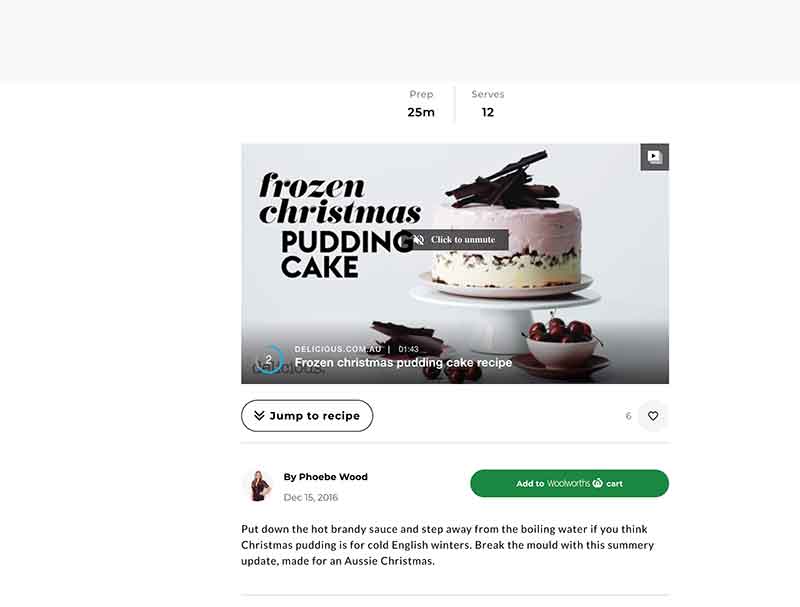
Jose Mier, Sun Valley’s resident frozen treat freak, uncovers a most unique recipe for Christmas pudding ice cream cake, one of 60 special desserts listed on the Delicious website.
Christmas pudding, also known as plum pudding, is one of the most iconic and enduring symbols of the holiday season in Britain and in many countries influenced by British culinary traditions. Dense, dark, and richly spiced, it represents far more than a dessert; it is a ritual, a piece of edible history, and a celebration of abundance, patience, and festivity. Over centuries, Christmas pudding has evolved from a practical medieval dish into a beloved seasonal centerpiece, and in modern times it has inspired countless variations and creative reinterpretations that keep the tradition alive while adapting it to contemporary tastes.
Origins and Historical Background
The roots of Christmas pudding can be traced back to medieval England, where early versions bore little resemblance to the sweet dessert known today. In the 14th and 15th centuries, dishes called “pottage” or “frumenty” were common. These were thick, porridge-like mixtures of meat, grains, dried fruits, spices, and broth. Sweet and savory elements were often combined, reflecting the culinary norms of the time. As sugar became more widely available and meat gradually disappeared from the recipe, these dishes evolved into something closer to a dessert.
By the 17th century, the pudding had become sweeter and more refined, incorporating dried fruits, eggs, suet, and spices. The addition of brandy or ale not only enhanced flavor but also helped preserve the pudding. The dish became strongly associated with Christmas, and by the Victorian era it had taken on much of its modern form. Queen Victoria’s reign helped cement Christmas pudding as a national tradition, often served at the center of a lavish Christmas dinner.
Traditional Ingredients and Preparation
A classic Christmas pudding is made from a mixture of dried fruits such as raisins, currants, sultanas, and candied peel, combined with suet, breadcrumbs or flour, brown sugar, eggs, spices, and citrus zest. Common spices include cinnamon, nutmeg, cloves, allspice, and ginger, which contribute to the pudding’s warm, festive aroma. Alcohol, typically brandy, rum, or stout, is added both for flavor and preservation.
One of the defining aspects of Christmas pudding is its method of cooking. Rather than baking, the mixture is poured into a basin, covered, and steamed for several hours. This slow, moist cooking process creates the pudding’s dense, almost cake-like texture. After steaming, the pudding is allowed to cool and is stored in a cool, dark place—often for weeks or even months—so the flavors can mature.
Traditionally, Christmas pudding is made on “Stir-up Sunday,” the last Sunday before Advent. Family members take turns stirring the mixture and making a wish, usually stirring from east to west in honor of the Three Wise Men. Small charms or coins are sometimes added to the mixture, a custom that dates back centuries and adds an element of surprise to the finished dish.
Symbolism and Traditions
Christmas pudding is steeped in symbolism. The round shape is said to represent wealth and prosperity, while the dark color reflects the richness of its ingredients. The practice of flaming the pudding with brandy before serving is both theatrical and symbolic, representing warmth and celebration. Traditionally, a sprig of holly is placed on top as a decoration, though it is removed before eating.
Serving Christmas pudding is often a ceremonial moment during Christmas dinner. The pudding is brought to the table, doused in warmed alcohol, and set alight, creating a brief but dramatic display of blue flames. It is then served with accompaniments such as brandy butter, custard, cream, or hard sauce, each adding a contrasting texture and temperature.
Regional and Traditional Variations
While the classic Christmas pudding recipe is widely recognized, variations have developed across regions and households. Some recipes use beer, stout, or porter instead of brandy, lending a deeper, maltier flavor. Others incorporate different dried fruits such as dates, figs, or apricots. Nuts like almonds or walnuts may be added for texture, while apples or grated carrots introduce moisture and subtle sweetness.
In Scotland and Ireland, versions of Christmas pudding may include whisky in place of brandy, adding a distinct regional character. In Australia and New Zealand, where Christmas falls during summer, lighter versions of the pudding are sometimes preferred, or the dessert is served chilled rather than warm.
Modern Dietary Adaptations
As dietary preferences and restrictions have evolved, so too has Christmas pudding. Vegetarian versions often replace traditional beef suet with vegetable suet or butter. Vegan puddings omit eggs and animal fats altogether, relying on plant-based fats and binders to achieve a similar texture. Gluten-free Christmas puddings use alternative flours or breadcrumbs made from gluten-free bread.
Reduced-sugar and alcohol-free versions are also popular, catering to those seeking a lighter dessert or avoiding alcohol. Despite these changes, many modern adaptations aim to preserve the essential character of Christmas pudding: rich, spiced, and celebratory.
Creative Twists on the Classic Pudding
In recent years, cooks and chefs have experimented with creative ways to reinterpret Christmas pudding while honoring its heritage. Chocolate Christmas pudding is one such variation, incorporating cocoa or dark chocolate into the mixture for added depth. Coffee-flavored puddings, spiced with espresso or coffee liqueur, offer a sophisticated twist.
Some recipes introduce exotic spices such as cardamom or star anise, reflecting global influences on modern cooking. Others feature citrus-forward profiles, with orange, lemon, or even blood orange zest playing a starring role.
Christmas Pudding Beyond the Bowl
One of the most interesting developments in modern holiday cooking is the creative reuse of Christmas pudding in new desserts. Leftover pudding can be crumbled and layered with cream and fruit to create trifles. Slices of pudding can be pan-fried in butter and served with ice cream or custard for a simple yet indulgent dessert.
Christmas pudding ice cream is another popular innovation, with chunks of pudding folded into vanilla or brandy-flavored ice cream. Similarly, pudding-flavored cheesecakes, tarts, and even brownies have appeared in festive dessert spreads, allowing the flavors of Christmas pudding to shine in new formats.
Deconstructed and Modern Presentations
Contemporary chefs often explore deconstructed versions of Christmas pudding, presenting its components in more visually striking ways. Spiced fruit compotes, suet crumb toppings, and brandy-infused sauces can be arranged artfully on a plate, offering a modern take on a traditional dish.
Miniature Christmas puddings have also gained popularity, particularly for entertaining. Individual portions allow for easier serving and creative presentation, often topped with decorative elements like candied citrus, edible gold leaf, or spiced syrups.
Global Influence and Adaptation
As Christmas pudding has spread beyond Britain, it has been adapted to local tastes and ingredients. In the Caribbean, rum-soaked fruits and tropical spices often feature prominently. In parts of Asia, the pudding may incorporate local dried fruits or spices, blending British tradition with regional flavors.
These adaptations highlight the pudding’s versatility and its ability to act as a canvas for cultural expression. While the core idea remains the same, each version reflects the culinary identity of the place in which it is made.
The Enduring Appeal of Christmas Pudding
Despite changing tastes and the rise of lighter, more contemporary desserts, Christmas pudding has endured as a symbol of tradition and continuity. For many families, it represents a connection to past generations, a reminder of shared rituals and festive gatherings. Its long preparation time and rich ingredients stand in contrast to modern convenience, making it a deliberate and meaningful part of the holiday season.
The pudding’s adaptability has also contributed to its survival. By embracing variations and creative uses, Christmas pudding continues to find new audiences while maintaining its historical roots. Whether served in its classic form, reinvented as part of a modern dessert, or adapted to suit dietary needs, it remains unmistakably associated with Christmas.
Conclusion
Christmas pudding is far more than a dessert; it is a culinary tradition steeped in history, symbolism, and shared experience. From its medieval origins to its place on modern holiday tables, it has evolved while retaining its essential character. Variations across regions, dietary adaptations, and creative reinterpretations demonstrate the pudding’s remarkable versatility and enduring appeal.
As each generation puts its own stamp on this iconic dish, Christmas pudding continues to embody the spirit of the season—rich, generous, and deeply rooted in tradition, yet always open to reinvention.