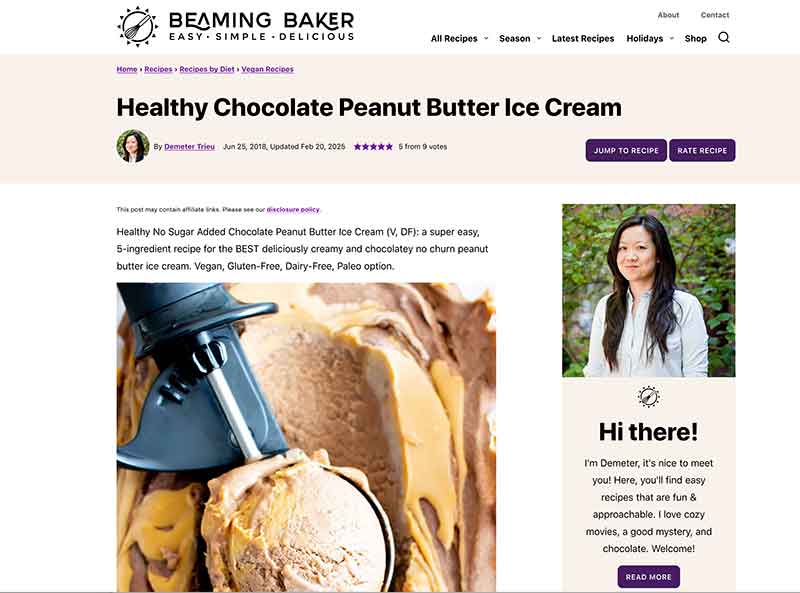
Jose Mier is not a Sun Valley, CA vegan, but the concept of vegan ice cream caught his eye and he’s highlighting this recipe from Beaming Baker.
Veganism has evolved from a niche ethical stance into a broad cultural, culinary, and lifestyle movement that influences how people eat, cook, and think about food. At its core, veganism is the practice of avoiding animal products in food and, often, in clothing and other consumer goods. While the motivations for adopting a vegan lifestyle vary—ranging from animal welfare and environmental sustainability to health and personal values—the culinary creativity that has emerged from veganism is undeniable. One of the most exciting and rapidly expanding areas of vegan cuisine is dessert, particularly vegan ice cream. Once considered a compromise, vegan desserts today stand confidently on their own, offering indulgence, innovation, and flavor that rival or even surpass their traditional counterparts.
The Foundations of Veganism
Veganism is rooted in the idea of minimizing harm to animals by eliminating the use of animal-derived products. For many people, this ethical foundation is the primary motivation: avoiding meat, dairy, eggs, and other animal ingredients is seen as a way to reduce suffering and exploitation. Others are drawn to veganism for environmental reasons. Industrial animal agriculture is a significant contributor to greenhouse gas emissions, deforestation, water usage, and pollution. A plant-based diet, by contrast, generally has a smaller environmental footprint, making veganism appealing to those concerned about climate change and sustainability.
Health considerations also play a role. Vegan diets often emphasize whole foods such as fruits, vegetables, legumes, whole grains, nuts, and seeds, which are rich in fiber, vitamins, minerals, and antioxidants. While a well-planned vegan diet can support good health, it does require some attention to nutrients like vitamin B12, iron, calcium, and omega-3 fatty acids. As awareness and education around vegan nutrition have grown, so too has the availability of fortified foods and supplements, making it easier than ever to maintain a balanced vegan lifestyle.
The Evolution of Vegan Food Culture
Early perceptions of vegan food were often limited to plain vegetables, salads, and simple grain dishes. Over time, however, vegan cuisine has undergone a dramatic transformation. Influenced by global culinary traditions and driven by creativity, chefs and home cooks alike have developed plant-based versions of everything from comfort food to fine dining. Vegan burgers, cheeses, pizzas, and pastries are now commonplace, and many are enjoyed not only by vegans but by omnivores curious about plant-based eating.
Desserts, once thought to be particularly difficult to make without dairy or eggs, have become a standout category in vegan cooking. Advances in ingredient knowledge and technique have allowed bakers and pastry chefs to recreate—and reimagine—classic sweets using plant-based alternatives. Among these desserts, vegan ice cream has emerged as one of the most popular and widely accepted innovations.
Vegan Ice Cream: From Substitute to Star
Vegan ice cream has come a long way from its early days, when options were limited and textures were often icy or grainy. Today, vegan ice cream is celebrated for its variety, richness, and inventive flavors. Instead of relying on cow’s milk and cream, vegan ice creams use a range of plant-based bases, each contributing its own unique characteristics.
One of the most popular bases is coconut milk, prized for its natural fat content and creamy mouthfeel. Coconut-based vegan ice creams are rich, smooth, and well-suited to both classic flavors like vanilla and chocolate and tropical combinations such as mango or pineapple. The subtle coconut flavor can enhance many desserts, though some manufacturers work to neutralize it for more traditional profiles.
Cashew milk is another favorite, especially in artisanal and small-batch vegan ice creams. When blended and soaked properly, cashews create an exceptionally smooth and neutral base that closely mimics dairy cream. Cashew-based ice creams excel in flavors like cookies and cream, salted caramel, and coffee, offering a luxurious texture that appeals even to dedicated dairy lovers.
Almond milk and oat milk are also widely used. Almond milk produces a lighter ice cream with a slightly nutty undertone, while oat milk has gained popularity for its natural sweetness and impressive creaminess. Oat-based vegan ice creams often shine in flavors like cinnamon, maple, and chocolate, and they have become especially popular due to oats’ sustainability and allergen-friendly reputation.
More experimental bases include soy milk, macadamia milk, pea protein blends, and even avocado, each bringing different textures and nutritional profiles. These innovations reflect the broader ethos of veganism: adaptability, creativity, and a willingness to rethink traditional methods.
Achieving Creaminess Without Dairy
One of the biggest challenges in vegan ice cream is replicating the smooth, rich texture traditionally provided by dairy fat and egg yolks. Vegan ice cream makers achieve this through a combination of plant fats, natural stabilizers, and careful processing. Ingredients such as coconut oil, cocoa butter, and nut butters contribute fat, while stabilizers like guar gum, locust bean gum, or tapioca starch help prevent ice crystal formation.
Sweeteners also play a role. While cane sugar is common, many vegan ice creams use alternatives like agave syrup, maple syrup, coconut sugar, or dates. These not only sweeten the ice cream but also affect freezing behavior and mouthfeel. When balanced correctly, the result is a scoop that’s just as creamy, scoopable, and satisfying as traditional ice cream.
Vegan Ice Cream Flavors and Innovations
Flavor innovation is one of the areas where vegan ice cream truly shines. Beyond standard vanilla and chocolate, brands and home cooks experiment with bold, globally inspired flavors. Matcha green tea, black sesame, chai spice, turmeric ginger, tahini caramel, and chili chocolate are just a few examples of how plant-based ice creams push creative boundaries.
Fruit-based vegan ice creams and sorbets also deserve special mention. Made with puréed fruit, plant milk, or simply fruit and sugar, these desserts highlight freshness and natural sweetness. Strawberry, raspberry, mango, passion fruit, and lemon are especially popular, offering bright, refreshing alternatives to richer options. Because they’re naturally dairy-free, fruit sorbets have long been vegan-friendly, but modern techniques have elevated them to gourmet status.
Vegan Desserts Beyond Ice Cream
While vegan ice cream often takes center stage, it’s part of a much larger dessert landscape. Vegan baking has flourished as cooks have learned to replace eggs and dairy without sacrificing flavor or structure. Ingredients like flaxseed meal, chia seeds, applesauce, mashed bananas, and aquafaba (the liquid from canned chickpeas) act as egg substitutes, while plant milks and vegan butters stand in for dairy.
Vegan cakes and cupcakes are now widely available, offering moist crumbs and rich frostings made from coconut cream, cashews, or vegan cream cheese. Chocolate desserts are particularly successful in vegan form, as cocoa pairs naturally with plant-based fats. Vegan brownies, cookies, and truffles are often indistinguishable from traditional versions, and some people even prefer their slightly denser, fudgier textures.
Frozen desserts extend beyond ice cream to include vegan gelato, soft serve, and frozen yogurt. Vegan frozen yogurt often uses cultured coconut or almond milk, providing tanginess alongside sweetness. Soft-serve machines adapted for plant-based mixes have made vegan cones a staple at festivals, food trucks, and ice cream shops.
Cultural and Social Impact of Vegan Desserts
The rise of vegan desserts has had a broader cultural impact, helping normalize plant-based eating and making veganism more accessible. Desserts are often associated with celebration, indulgence, and comfort, and having inclusive options allows vegans to participate fully in social rituals. When vegan ice cream or cake is served at a party and enjoyed by everyone, it challenges the stereotype that vegan food is restrictive or joyless.
This inclusivity has also influenced the food industry. Major ice cream brands now offer vegan lines, and many restaurants feature at least one vegan dessert on their menu. This mainstream acceptance reflects changing consumer values and growing curiosity about plant-based alternatives.
Veganism, Pleasure, and Sustainability
One of the most compelling aspects of vegan desserts is how they reconcile indulgence with values. Veganism is often associated with restraint or sacrifice, but vegan ice cream and desserts demonstrate that ethical and environmental choices don’t have to mean giving up pleasure. By using plant-based ingredients, these desserts reduce reliance on resource-intensive dairy production while still delivering joy and satisfaction.
Sustainability is increasingly part of the conversation. Many vegan dessert producers emphasize responsibly sourced ingredients, minimal packaging, and environmentally friendly practices. Oat milk, for example, has gained popularity not only for its taste but also for its relatively low environmental impact compared to dairy and some nut milks.
The Future of Vegan Ice Cream and Desserts
As food technology advances, the future of vegan desserts looks bright. Improved plant-based fats, fermentation techniques, and even precision fermentation dairy alternatives are opening new possibilities for texture and flavor. At the same time, home cooks continue to experiment, sharing recipes and techniques that make vegan dessert-making more approachable than ever.
Vegan ice cream, once a curiosity, is now a category defined by innovation and excellence. It represents the broader trajectory of veganism itself: moving from the margins to the mainstream, driven by ethics, creativity, and a desire to enjoy food without compromise.
Conclusion
Veganism is more than a dietary choice; it’s a reflection of changing attitudes toward animals, the environment, and personal health. Nowhere is this evolution more visible—or more delicious—than in the world of vegan desserts. Vegan ice cream stands as a symbol of how far plant-based cuisine has come, offering rich textures, bold flavors, and genuine indulgence without animal products. Alongside cakes, cookies, frozen treats, and confections, vegan desserts show that compassion and pleasure can coexist on the same plate. As interest in plant-based living continues to grow, vegan ice cream and desserts will remain at the forefront, proving that some of the sweetest innovations come from reimagining tradition.