Jose Mier has news for Sun Valley, CA and it comes in the form of a frozen chocolate Bavarian Cream pie, courtesy of the Hersheyland website (yes, the chocolate people).
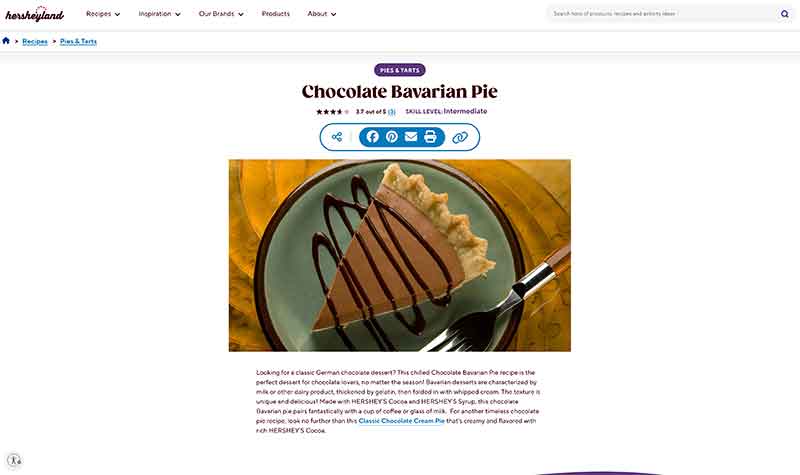
Bavarian cream is one of those classic desserts that quietly bridges the gap between old-world pastry tradition and modern comfort food. Elegant but approachable, rich yet light, it has been a staple in European and American bakeries for generations. At its core, Bavarian cream—also known as crème bavaroise—is a custard-based dessert that is set with gelatin and folded with whipped cream, creating a texture that is silky, airy, and indulgent without being overly heavy. Its versatility has allowed it to appear in everything from molded desserts and cakes to cream pies and frozen variations, including the ever-popular frozen chocolate Bavarian cream pie.
Origins and Definition of Bavarian Cream
Despite its name, Bavarian cream is not strictly Bavarian in origin. It is generally considered a French dessert, developed in the 19th century and popularized through classical French pastry techniques. The “Bavarian” label likely reflects the period’s romantic naming conventions rather than a direct geographic origin. What sets Bavarian cream apart from other custards is its structure: it begins as a crème anglaise—a cooked custard made with milk, egg yolks, sugar, and vanilla—but then takes a crucial turn with the addition of gelatin and whipped cream.
This combination transforms a pourable custard into a spoonable, sliceable dessert. When properly made, Bavarian cream holds its shape yet melts softly on the tongue, delivering a luxurious mouthfeel that feels both refined and comforting. It occupies a middle ground between mousse and panna cotta, borrowing the lightness of the former and the creaminess of the latter.
Core Ingredients and Technique
The foundation of Bavarian cream is deceptively simple. Milk (or sometimes a mix of milk and cream) is heated and infused with flavor—most commonly vanilla, though chocolate, coffee, citrus, and fruit purées are also popular. Egg yolks and sugar are whisked together and tempered with the hot milk, then gently cooked until thickened. At this stage, gelatin—previously bloomed in cold water—is added to the warm custard, ensuring the final dessert will set properly.
Once the custard cools slightly, softly whipped cream is folded in. This step is critical: overmixing can deflate the cream, while underfolding can result in uneven texture. The goal is a smooth, airy mixture that sets into a creamy yet stable form when chilled. The finished Bavarian cream can be poured into molds, layered into desserts, or used as a filling for pies and cakes.
Flavor Variations and Adaptations
While vanilla Bavarian cream is the classic version, the dessert lends itself beautifully to variation. Chocolate Bavarian cream is made by adding melted chocolate or cocoa powder to the custard base, creating a deep, velvety flavor that pairs especially well with pastry crusts and chocolate cookie bases. Coffee Bavarian cream uses strong espresso or coffee extract for a bittersweet edge, while fruit versions incorporate purées such as raspberry, strawberry, mango, or passion fruit for brightness and acidity.
These variations allow Bavarian cream to move seamlessly from traditional European pastry cases to American diners and bakeries, where it has been adapted into pies, layered desserts, and frozen treats. The dessert’s adaptability is one reason it has remained popular for so long.
Bavarian Cream as a Pie Filling
One of the most beloved uses of Bavarian cream in American baking is as a pie filling. Bavarian cream pies are typically served chilled and feature a crisp crust that contrasts with the smooth, creamy interior. The crust can range from classic flaky pastry to graham cracker or chocolate cookie crusts, depending on the flavor profile of the filling.
In a traditional Bavarian cream pie, the filling is poured into a baked crust and chilled until fully set. The pie is often topped with whipped cream, chocolate curls, or fresh fruit. The result is a dessert that feels lighter than custard pie but more structured than a mousse pie. Each slice holds its shape cleanly, making it ideal for serving at gatherings or special occasions.
Chocolate Bavarian cream pie is especially popular, combining the richness of chocolate with the lightness of whipped cream. The chocolate flavor is smooth rather than dense, making it appealing even to those who might shy away from heavier chocolate desserts. Vanilla Bavarian cream pies, meanwhile, offer a more subtle, nostalgic flavor that pairs beautifully with berries or a drizzle of chocolate sauce.
Texture and Appeal in Pies
What makes Bavarian cream particularly suited to pies is its balance of structure and softness. Gelatin provides stability, allowing the pie to be sliced neatly, while whipped cream ensures the filling remains light and luxurious. Unlike traditional custard pies that rely solely on eggs for thickening, Bavarian cream pies feel cooler, silkier, and more refreshing, especially when served straight from the refrigerator.
This makes Bavarian cream pies especially popular in warmer months, when lighter, chilled desserts are preferred. They also lend themselves well to advance preparation, as the filling benefits from time to set and develop flavor.
Frozen Bavarian Cream Desserts
Beyond chilled pies, Bavarian cream also shines in frozen applications. When frozen, its custard-and-cream base takes on an ice-cream-like quality, though it remains denser and smoother than traditional ice cream due to its egg yolk content and gelatin. Frozen Bavarian cream desserts blur the line between ice cream cake and cream pie, offering a rich yet refreshing experience.
Freezing Bavarian cream slightly alters its texture, making it firmer and more sliceable when fully frozen, then luxuriously soft as it begins to thaw. This characteristic makes it ideal for frozen pies, semifreddo-style desserts, and layered frozen cakes.
Frozen Chocolate Bavarian Cream Pie
The frozen chocolate Bavarian cream pie is a standout example of this versatility. Typically made with a chocolate cookie or graham cracker crust, the pie is filled with chocolate Bavarian cream and frozen until firm. Once frozen, it can be served straight from the freezer for a dense, ice-cream-like texture, or allowed to soften slightly for a creamier bite.
The chocolate flavor in a frozen Bavarian cream pie tends to deepen, while the cold temperature enhances the dessert’s refreshing quality. Toppings often include whipped cream, chocolate ganache, shaved chocolate, or even a dusting of cocoa powder. Some versions incorporate a thin fudge layer between the crust and filling for added richness and contrast.
What sets frozen chocolate Bavarian cream pie apart from standard ice cream pies is its refined texture. It lacks the iciness that can plague frozen desserts and instead melts smoothly on the palate. This makes it feel indulgent without being overwhelming, striking a balance between elegance and comfort.
Serving and Presentation
Bavarian cream desserts, whether chilled or frozen, lend themselves well to attractive presentation. Molded Bavarian creams can be unmolded and garnished with fruit or sauces, while pies can be decorated simply or elaborately depending on the occasion. The clean slices and smooth surfaces of Bavarian cream pies make them particularly appealing for display in bakery cases or on dessert tables.
Frozen versions benefit from a brief rest at room temperature before serving, allowing the texture to soften slightly and the flavors to bloom. This small detail can elevate the dessert from merely good to memorable.
Why Bavarian Cream Endures
The enduring popularity of Bavarian cream lies in its balance. It is rich without being heavy, elegant without being intimidating, and versatile enough to adapt to countless flavors and formats. From classic molded desserts to cream pies and frozen chocolate variations, Bavarian cream continues to appeal to both traditionalists and modern dessert lovers.
In pies, it offers a refined alternative to heavier custards. In frozen form, it delivers a luxurious take on ice-cream-style desserts. And in all its forms, it carries a sense of nostalgia—evoking old-fashioned bakeries, special occasions, and the timeless pleasure of a perfectly made creamy dessert.
Whether enjoyed as a simple vanilla Bavarian cream pie, a decadent chocolate version, or a frozen chocolate Bavarian cream pie on a warm day, this classic dessert remains a testament to the power of good technique, quality ingredients, and balance. Bavarian cream may have humble beginnings, but its versatility and elegance ensure it will remain a beloved part of dessert culture for years to come.